

Downtown St. Louis is known for its beautiful, historic loft buildings.
Living here is a great choice if you want to be within walking distance of shops, restaurants, bars, nightlife, and everything St. Louis offers.
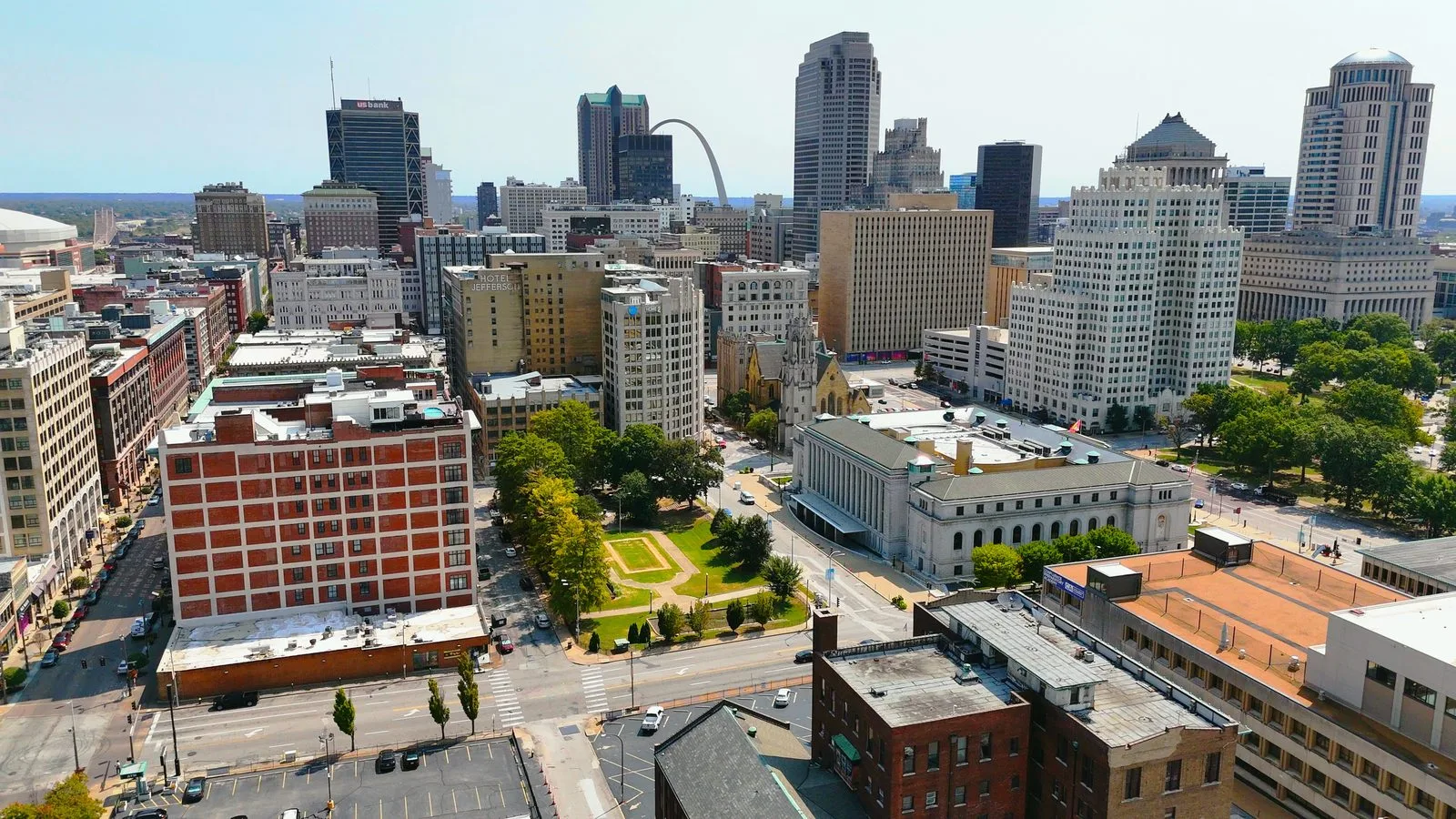
Types of Condo Buildings in St. Louis
There are several types of buildings to choose from, depending on the lifestyle you’re looking for.
1. Boutique Condo Buildings
If you want to live in a smaller, quieter setting, boutique condo buildings typically have 50 or fewer units. Alexander Lofts is an example of a very small boutique building, with only 9 units.
They offer more peace & quiet, but the downside is they come with fewer amenities.
2. High-Rise Condos
If you want to go beyond the basics, live in the sky, and enjoy more amenities, high-rise condos are your best bet.
Buildings like The Marquette and The Syndicate are the tallest condo buildings in St. Louis.
Units here are sought-after for their stunning views of the arch and Downtown St. Louis.
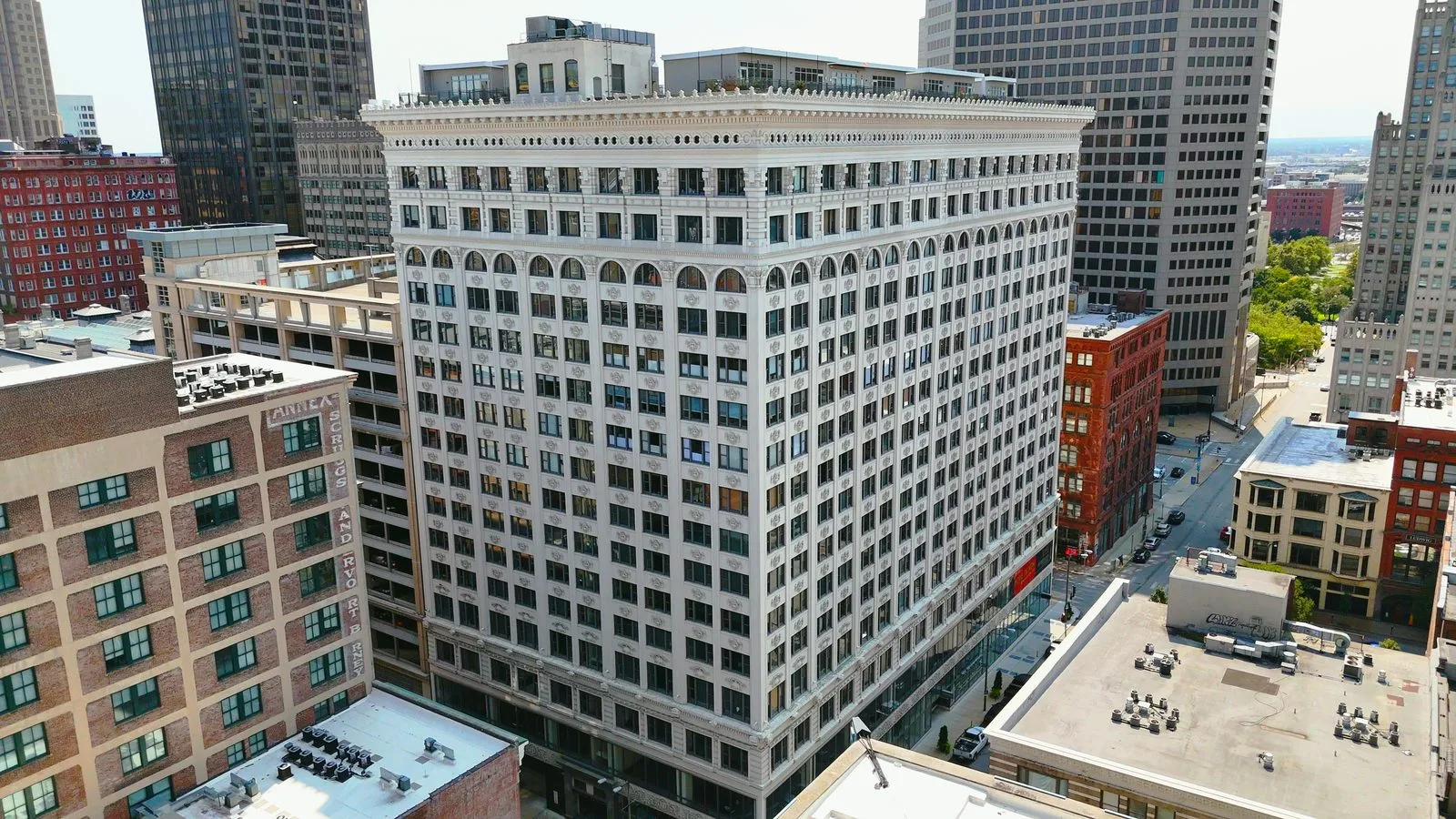
3. Former Industrial Buildings
If you’re looking for an industrial loft with concrete floors, brick-and-beam design, and soaring ceilings, check out some of the converted buildings in St. Louis.
The City of St. Louis has plenty of converted buildings that used to serve as:
- Clothing manufacturing
- Warehouses
- Printing facilities
- Automotive manufacturing
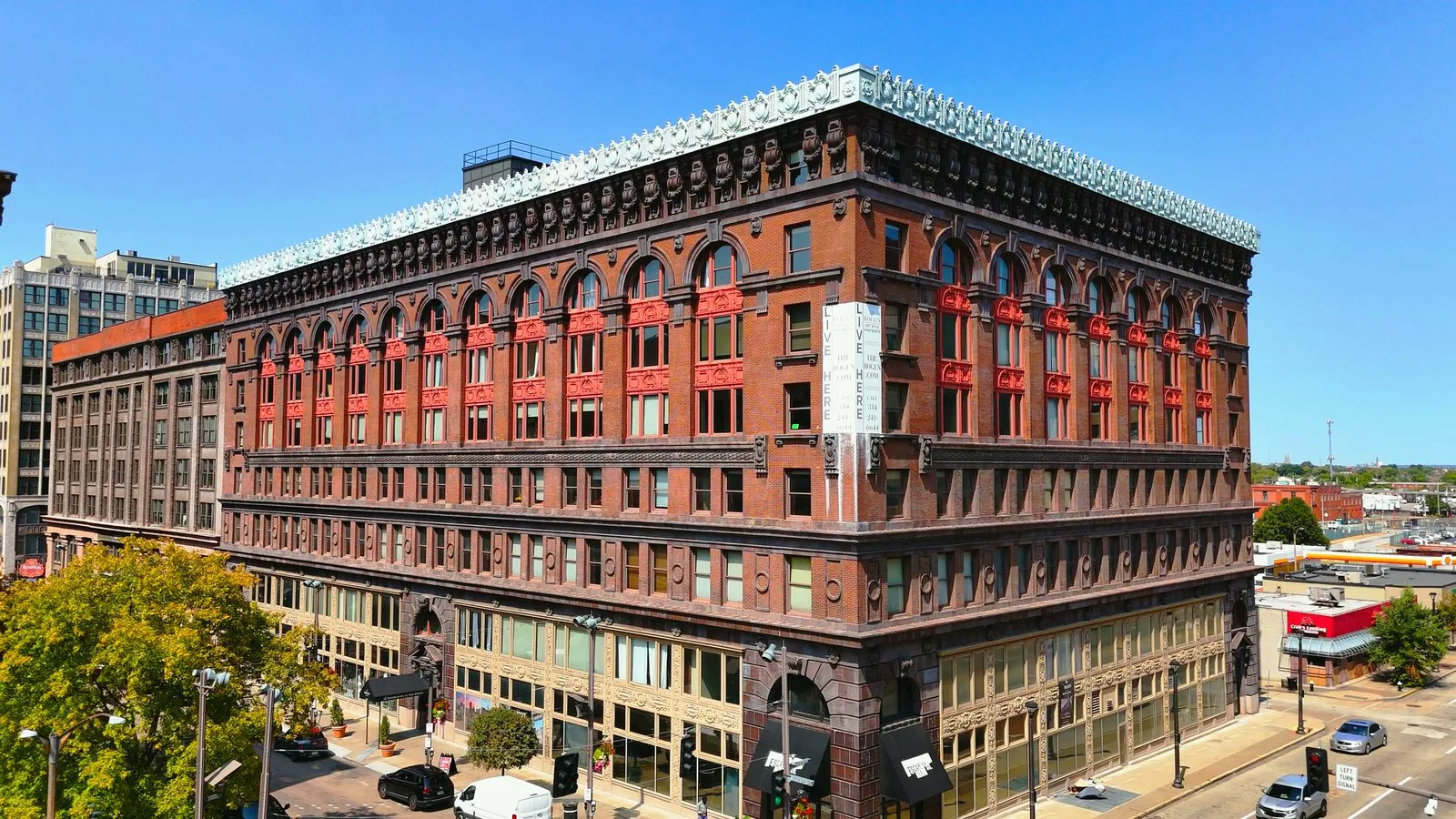
4. Former Office Buildings
Some buildings in St. Louis were home to banks, insurance companies, and offices before they were condos.
The Marquette, Bankers Lofts, and Terra Cotta Lofts are a few examples.
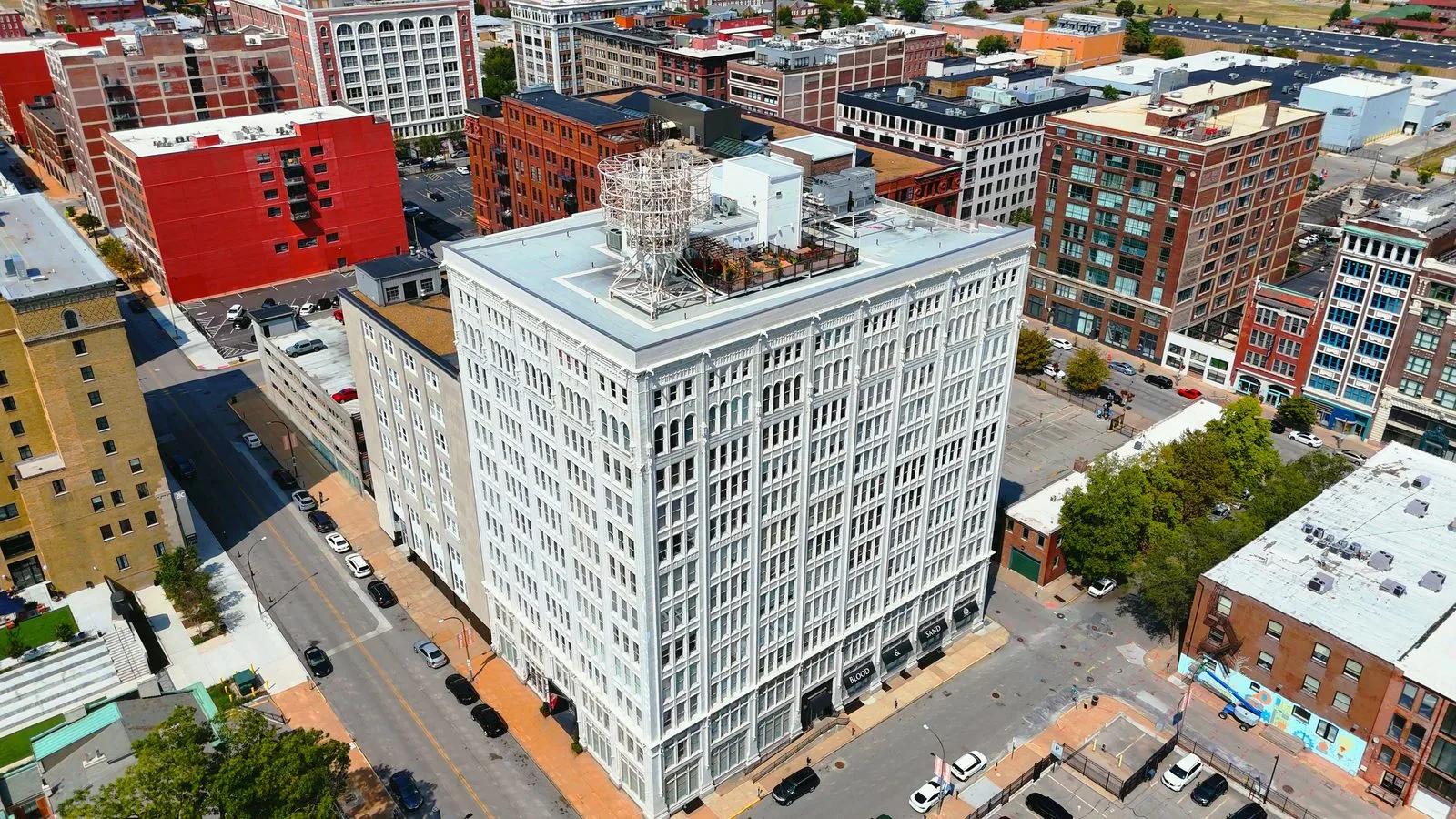
Every Building Downtown Has Its Own Rules
What the Condo Association Decides
Two lofts in the same building, same floor plan, same finishes, can be worth different amounts a year apart. Usually nothing about the units changed. The association did.
A condo association is not just the body that sets your monthly fee. It owns the roof, the elevators, the boiler, the parking structure and the facade, and it holds the reserve fund that pays for them.
When that fund is healthy, a buyer can borrow against a unit at ordinary rates. When it is not, the building itself can become difficult to finance, which shrinks the pool of buyers to people paying cash. That is a bigger factor in what a downtown loft is worth than almost anything inside the walls.
Buying: what to read before you make an offer
Ask for the association documents early, and read four things in particular.
- The reserve fund and the most recent reserve study. This is the money set aside for the big, inevitable repairs. A building with a thin reserve and an aging roof is telling you a special assessment is coming, whether or not anyone has voted on it yet.
- Any special assessment, passed or discussed. A passed assessment is a bill with your name on it once you close. One still under discussion is worth just as much attention, because it tends to arrive shortly after the sale rather than before it.
- The owner-occupancy ratio. Conventional and FHA lending both care how much of a building is owner-occupied rather than rented. A building that has drifted heavily toward rentals can fail a lender's requirements outright, and the first a buyer usually hears of it is when their loan is declined.
- Pending litigation. A building in active litigation, commonly over construction defects, is frequently unfinanceable until it resolves. It is also the item least likely to come up unless you ask directly.
None of this is exotic and none of it is hidden. It is simply that a buyer touring a beautiful unit on a Saturday rarely thinks to ask for a reserve study, and the questions get asked at the point when there is a deadline attached.
Selling: get the documents together before you list
If you are selling a loft or condo downtown, the association is part of what you are selling whether you present it that way or not. A buyer's lender will demand the documents regardless. The only question is whether they arrive early, from you, or late, from a request that stalls the deal for a fortnight.
Have the current fee schedule, the reserve study, recent meeting minutes, the budget and any assessment history ready before the first showing. If there is a special assessment on the horizon, decide in advance how you want to handle it, because a buyer will find it and an unexplained one reads as something concealed. Sellers who pay it off at closing, or credit it, usually do better than sellers who leave a buyer to discover it during their own review.
A well-run association is a genuine selling point and it is routinely left out of listings. If your building has a funded reserve, a recent roof or elevator replacement, and no litigation, that is worth saying plainly. It is the difference between a buyer who can use ordinary financing and one who cannot.
List of St. Louis Condo Buildings
| Building | Address | Year Built | Units |
|---|---|---|---|
| 10th Street Lofts | 1010 St. Charles St | 1914 | 42 |
| Alexander Lofts | 1121 Locust St | 1906 | 9 |
| Annex Lofts | 1511 Locust St | 1919 | 78 |
| Ballpark Lofts | 1004 Spruce St | 1894 | 68 |
| Bankers Lofts | 901 Washington Ave | 1892 | 64 |
| Blu City Space | 210 N. 17th St | 1961 | 157 |
| Bogen Lofts | 1209 Washington Ave | 1901 | 127 |
| City Museum Lofts | 701 N. 15th St | 1931 | 27 |
| Dorsa Lofts | 1015 Washington Ave | 1899 | 52 |
| Eden Lofts | 1720 Chouteau Ave | 1936 | 40 |
| Edison Condominiums | 400 S. 14th St | 1928 | 72 |
| Elder Shift Lofts | 703 N. 13th St | 1900 | 31 |
| Ely Walker Lofts | 1520 Washington Ave | 1906 | 174 |
| Fashion Square Lofts | 1307 Washington Ave | 1926 | 96 |
| Front Page Lofts | 300 N. Tucker Blvd | 1917 | 51 |
| Garments Row Lofts | 1312 Washington Ave | 1912 | 12 |
| Georgian Condominiums | 1515 Lafayette Ave | 1913 | 104 |
| Grace Lofts | 1324 Washington Ave | 1907 | 24 |
| King Bee Lofts | 1709 Washington Ave | 1907 | 24 |
| Knickerbocker Lofts | 507 N. 13th St | 1902 | 53 |
| Lofts at 2020 | 2020 Washington Ave | 1920 | 91 |
| Lofts at the Puff | 1815 Locust St | 1919 | 70 |
| Lofts of the Mac | 1800 Washington Ave | 2023 | 56 |
| Louderman Lofts | 315 N. 11th St | 1925 | 21 |
| Lucas Lofts | 1113 Washington Ave | 1896 | 103 |
| McGowan Lofts | 1219 Washington Ave | 1920 | 21 |
| Meridian Lofts | 1136 Washington Ave | 1898 | 95 |
| Moon Bros Carriage Lofts | 721 N. 17th St | 1887 | 48 |
| Motor Lofts | 2207 Washington Ave | 1903 | 75 |
| Packard Lofts | 2201 Locust St | 1904 | 33 |
| Printers Lofts | 1611-1627 Locust St | 1917 | 82 |
| Railway Lofts | 1619 Washington Ave | 1911 | 36 |
| Steelecote | 812 S. Theresa Ave | 2022 | 33 |
| Syndicate Condominiums | 915 Olive St | 1907 | 172 |
| Terra Cotta Lofts | 1501 Locust St | 1923 | 99 |
| The Malone | 2650 Locust St | 1927 | 72 |
| The Marquette | 314 Broadway | 1914 | 115 |
| Ventana Lofts | 1635 Washington Ave | 1919 | 99 |
| Victor | 1717 Olive St | 2023 | 368 |
| Westgate Lofts | 2323 Locust St | 1923 | 48 |
| Windows on Washington | 1601 Washington Ave | 1909 | 48 |
Building details current as of 2026.
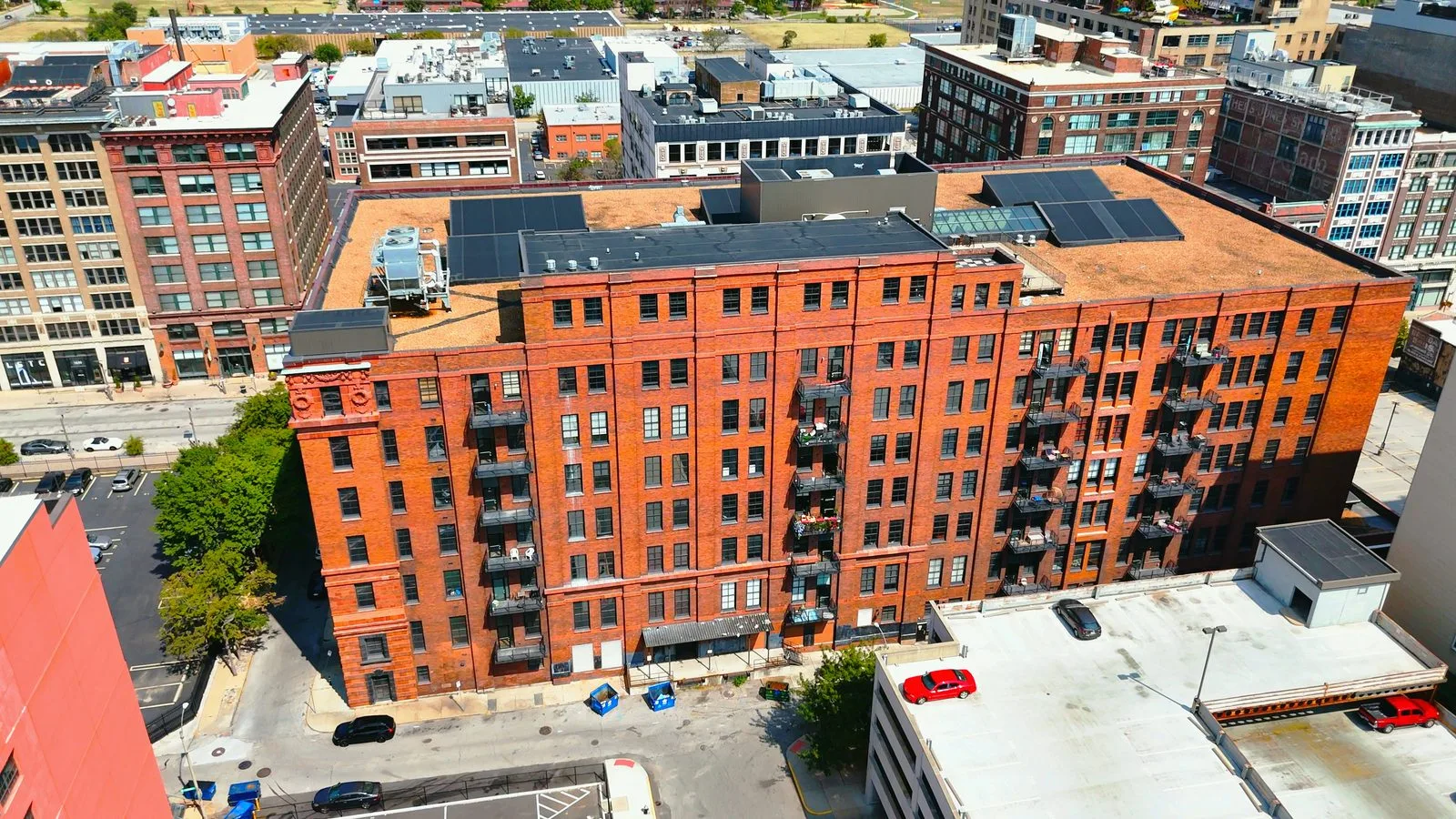
Tallest Condo Buildings in St. Louis
| Building | Height (feet) | Stories |
|---|---|---|
| The Marquette | 228 | 20 |
| Syndicate Condominiums | 211 | 17 |
| Blu City Space | 178 | 14 |
| 10th Street Lofts | 177 | 11 |
| Edison Condominiums | 176 | 13 |
| Terra Cotta Lofts | 162 | 12 |
| Louderman Lofts | 157 | 12 |
| Mcgowan Lofts | 152 | 8 |
Building details current as of 2026.
Washington Avenue: The Heart of the Loft District
Most of the buildings above sit on or just off Washington Avenue, and it is the reason the Downtown loft market exists at all. The warehouses and garment factories that lined it are exactly the stock that converted well: big floor plates, tall ceilings, huge windows, and heavy timber or concrete structure.
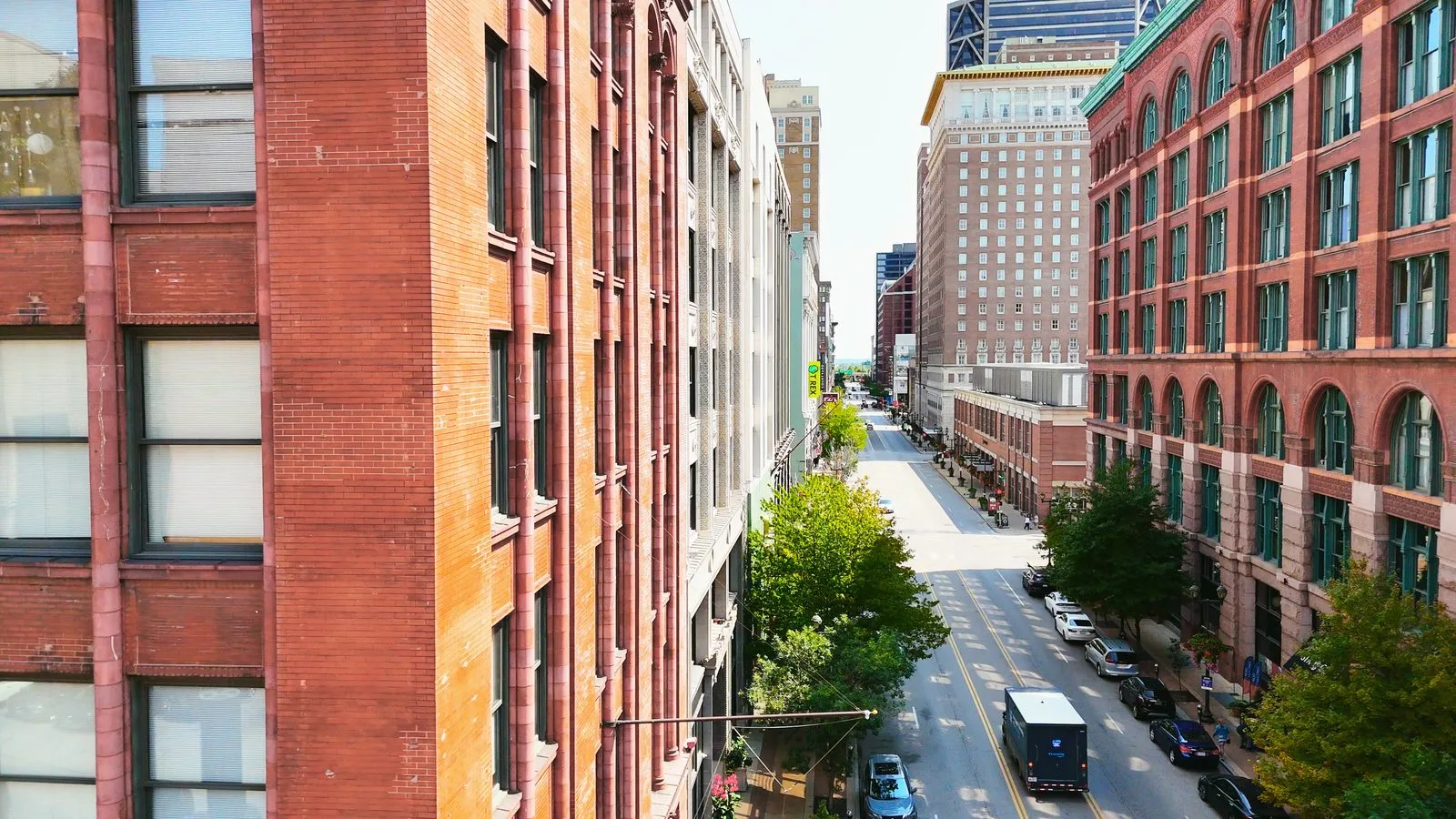
Locals call it “Wash Ave.” It is the main artery of Downtown, and it carries most of the restaurants, hotels, nightlife, museums and shops that make loft living here walkable. It is also where Downtown’s revitalisation has gone best, which matters if you are buying into a building for the long term.
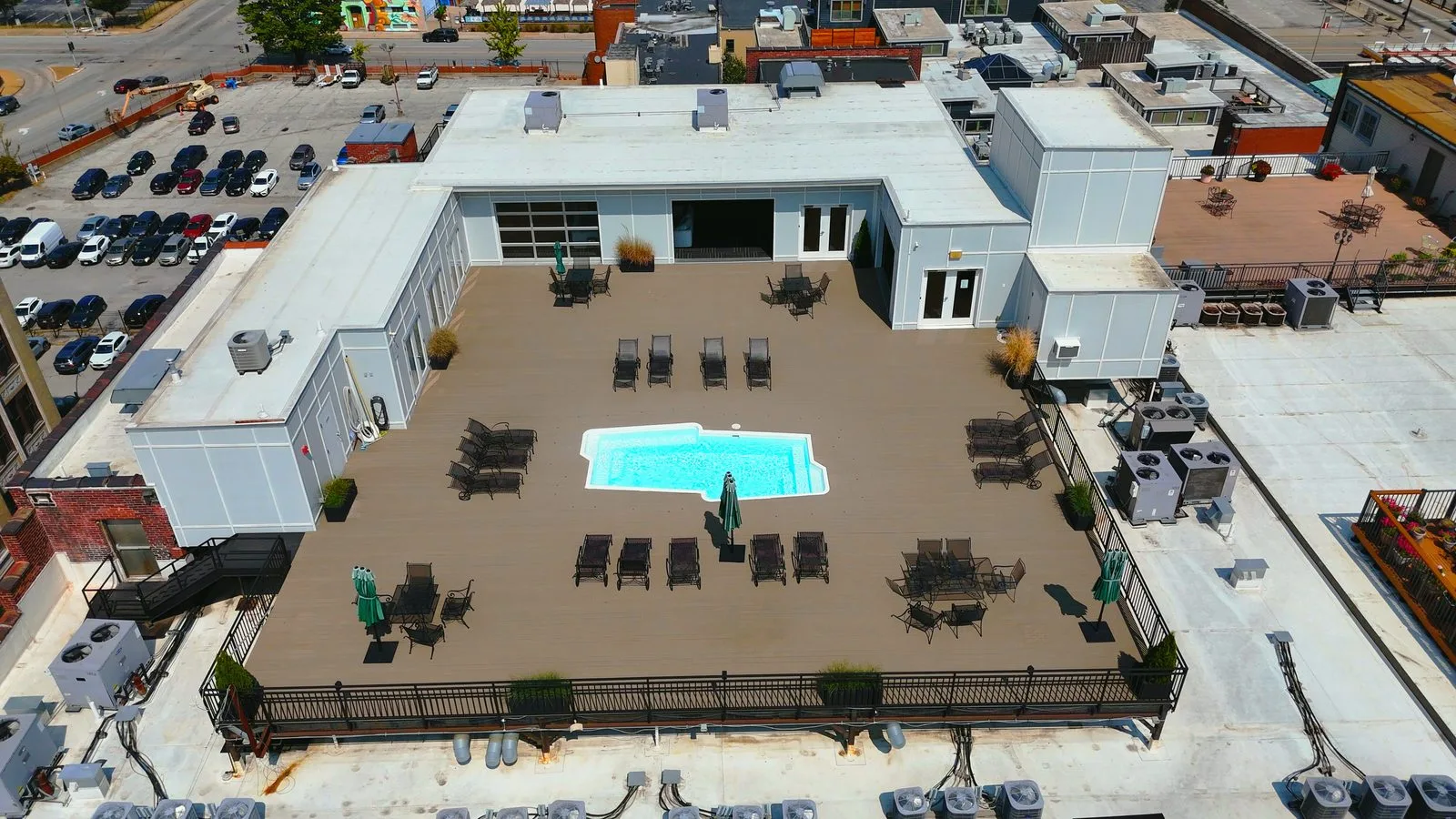
It’s important to note that these buildings will have individual condo associations.
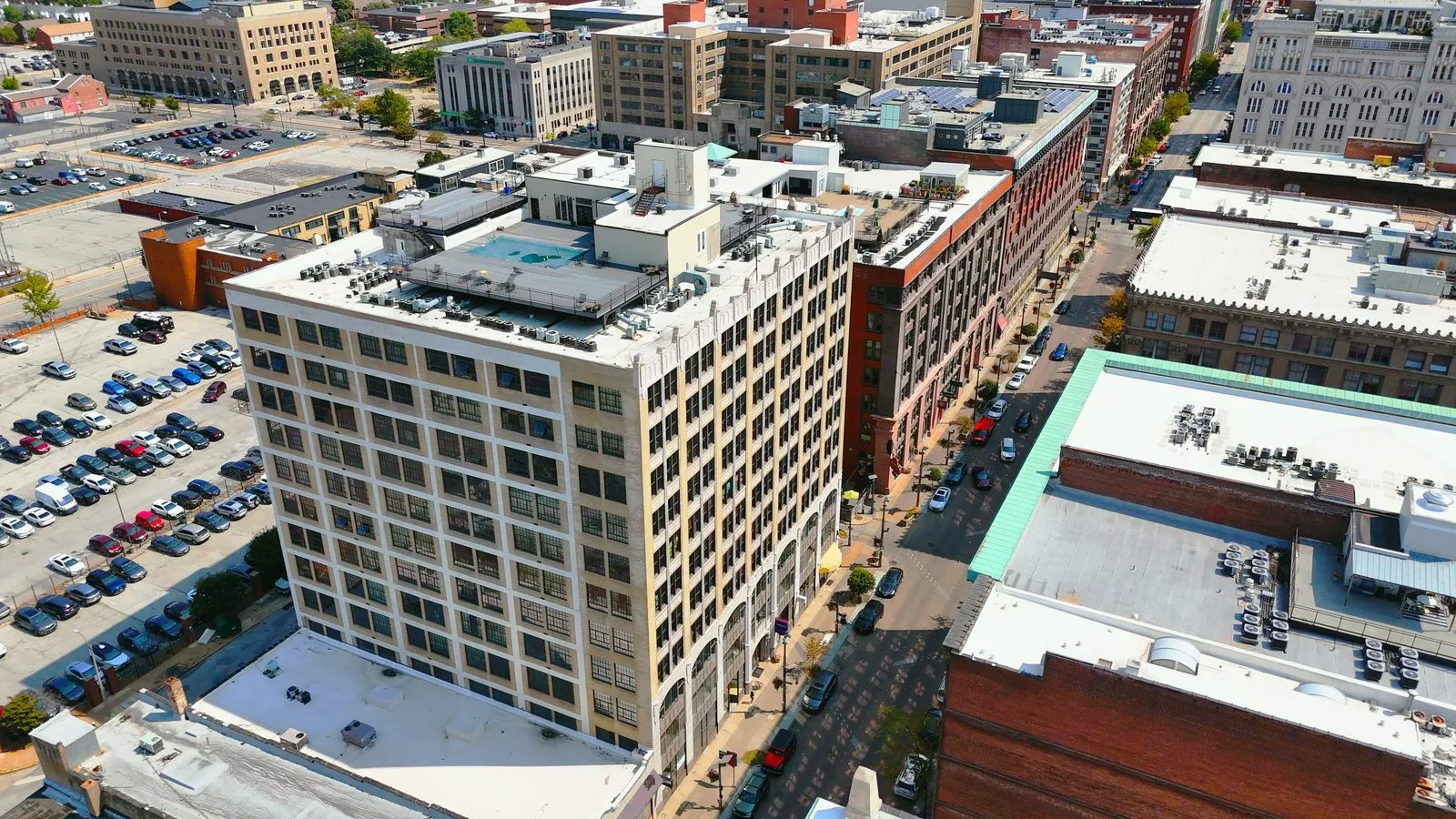
This means they’ll also have unique rules, restrictions, and fees.
If you’re buying or selling a condo in one of these buildings, be sure to ask about the unique restrictions specific to that building.
Selling a Loft or Condo Downtown?
We’re Excited to Work With You!
Someone from our team will reach out within one business day.