

St. Louis is a city of distinct neighborhoods, and the one you pick shapes your day far more here than it would in a city built around a single downtown core.
If you are early in your career and looking at St. Louis city, a handful of neighborhoods keep coming up: the ones with a short commute, somewhere to walk to on a Friday, and a price that still leaves room to save.
The city has 79 official neighborhoods, which is a lot of ground to cover. These are the five we point people to most often, and below each one you will find where Niche ranked it for 2026 so you are not taking only our word for it.
How These Five Rank in 2026
Niche ranks 78 St. Louis area neighborhoods in its 2026 Best Neighborhoods for Young Professionals list, scoring them on the share of residents in their twenties and thirties, access to jobs, and how many bars and restaurants are within reach. Every one of our five sits in the top 16, with one exception we will come to.
| Neighborhood | Niche 2026 | Overall grade | Population |
|---|---|---|---|
| The Grove (Forest Park Southeast) | #8 | A | 3,293 |
| Dogtown (Clayton-Tamm) | #10 | A | 2,120 |
| Central West End | #12 | A | 15,252 |
| Soulard | #13 | A | 3,503 |
| Tower Grove East | #16 | A | 6,068 |
| Tower Grove South | #28 | A | 11,952 |
Source: Niche, 2026 Best Neighborhoods for Young Professionals in the St. Louis Area. Read 2026-08-26. Six rows for five picks because Tower Grove is two neighborhoods, which the section below explains.
Note that our order is not Niche’s. Theirs is a formula; ours is what we tell people when they ask, and the two agree on the shortlist more than they agree on the sequence.
1. Central West End
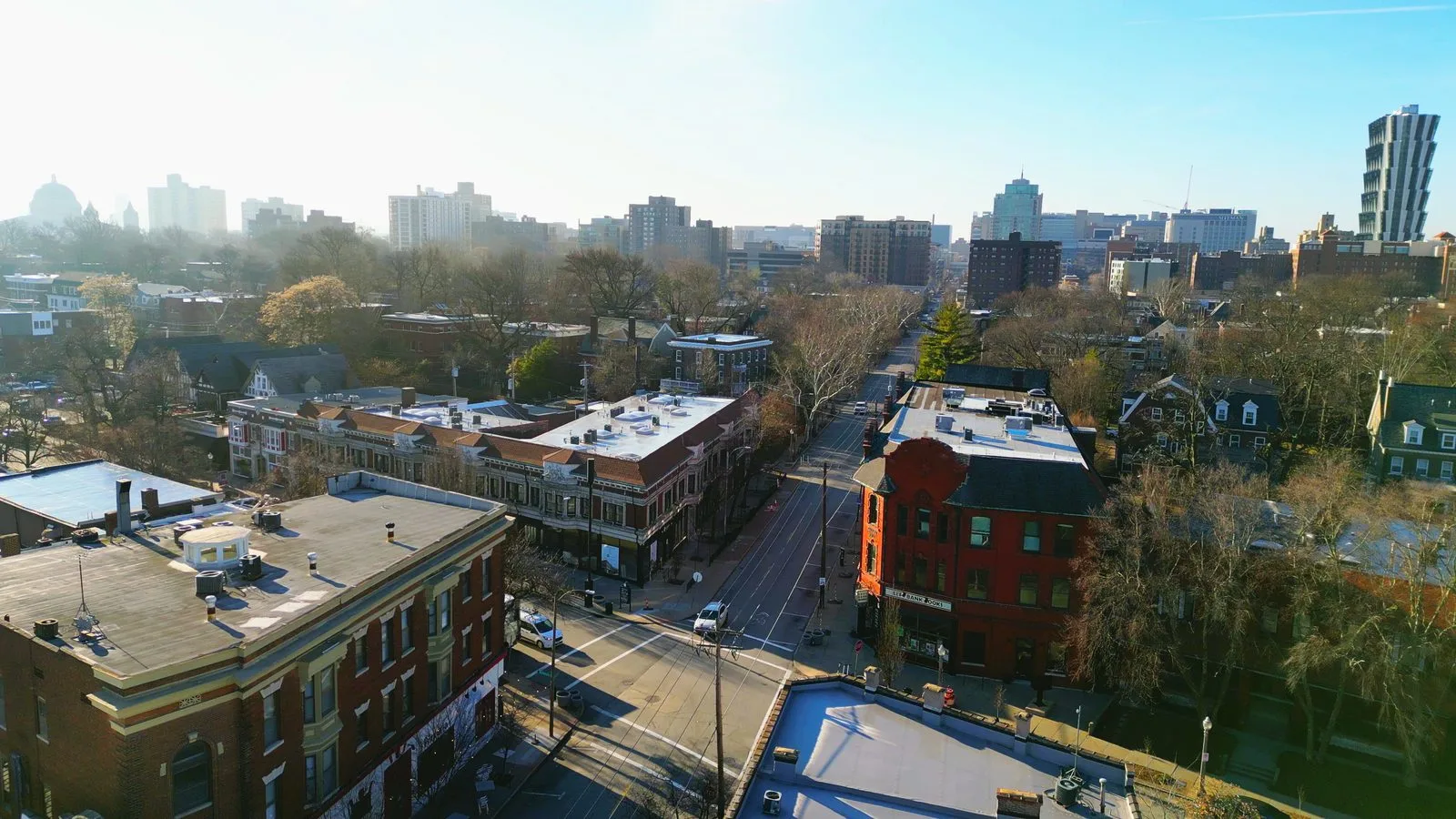
The Central West End is Niche’s #12 of 78 for young professionals in 2026, and it is the one people name first, usually because they already know somebody who lives there.
It sits between Saint Louis University and Washington University, next to the BJC medical campus, so a large share of the people who live here walk or take a short ride to work. That is the practical reason it stays popular rather than just the reputation.
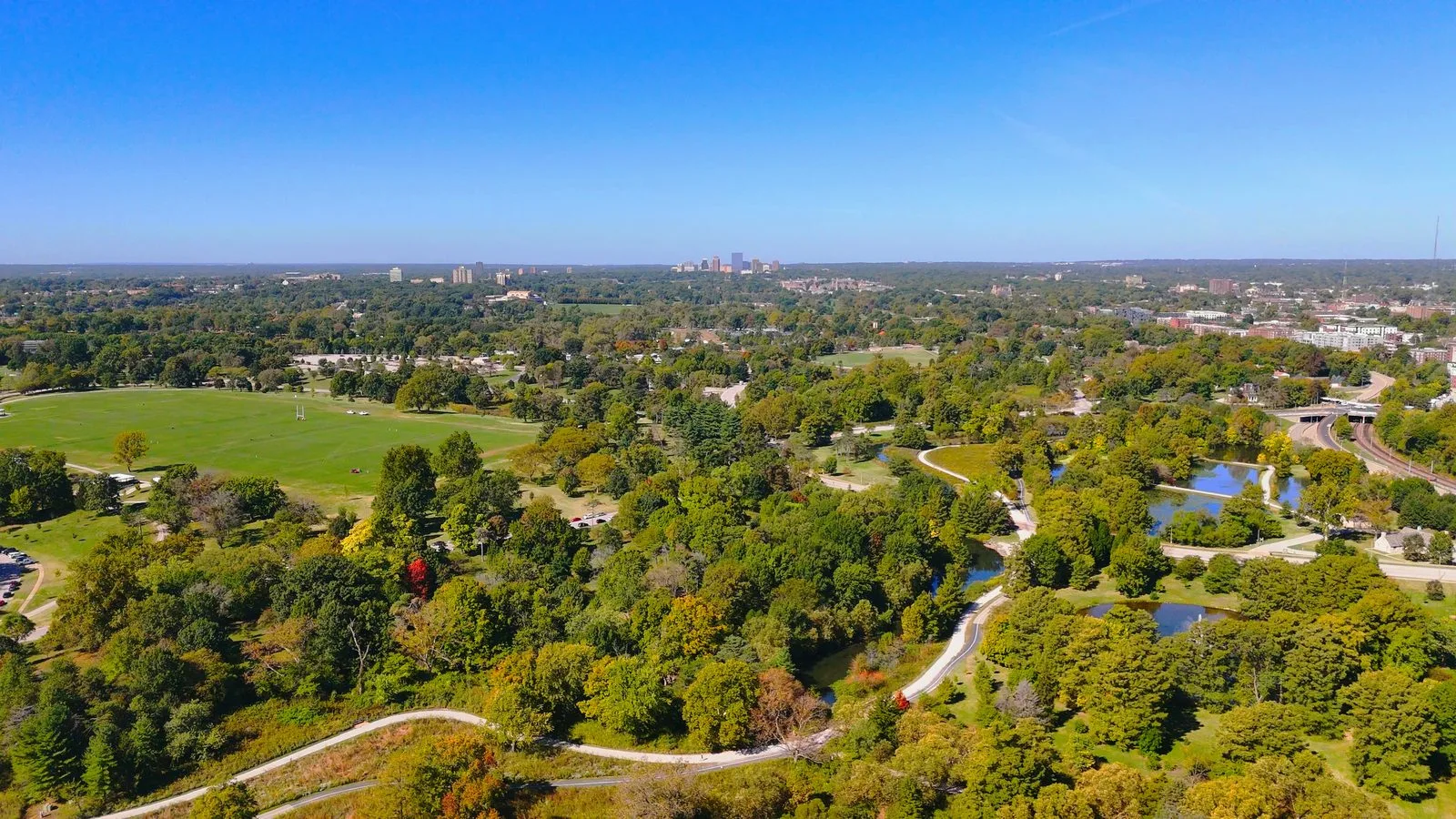
Euclid Avenue carries most of the restaurants, bars and shops, and Forest Park is immediately north, which means 1,300 acres of parkland, the Zoo, the Art Museum and the History Museum are all a walk away and all free.
The trade-off is price. The Central West End is the most expensive neighborhood on this list, and it is the one where you are most likely to be choosing between a condo and a smaller place elsewhere. Plenty of people decide the location is worth it. Some do not, which is why the other four are on this page.
If you want the full picture, we have a complete guide to living in the Central West End.
 11 minutes, 32 seconds
 Living St. Louis
Wondering What You Can Actually Afford in the Central West End?
2. Soulard
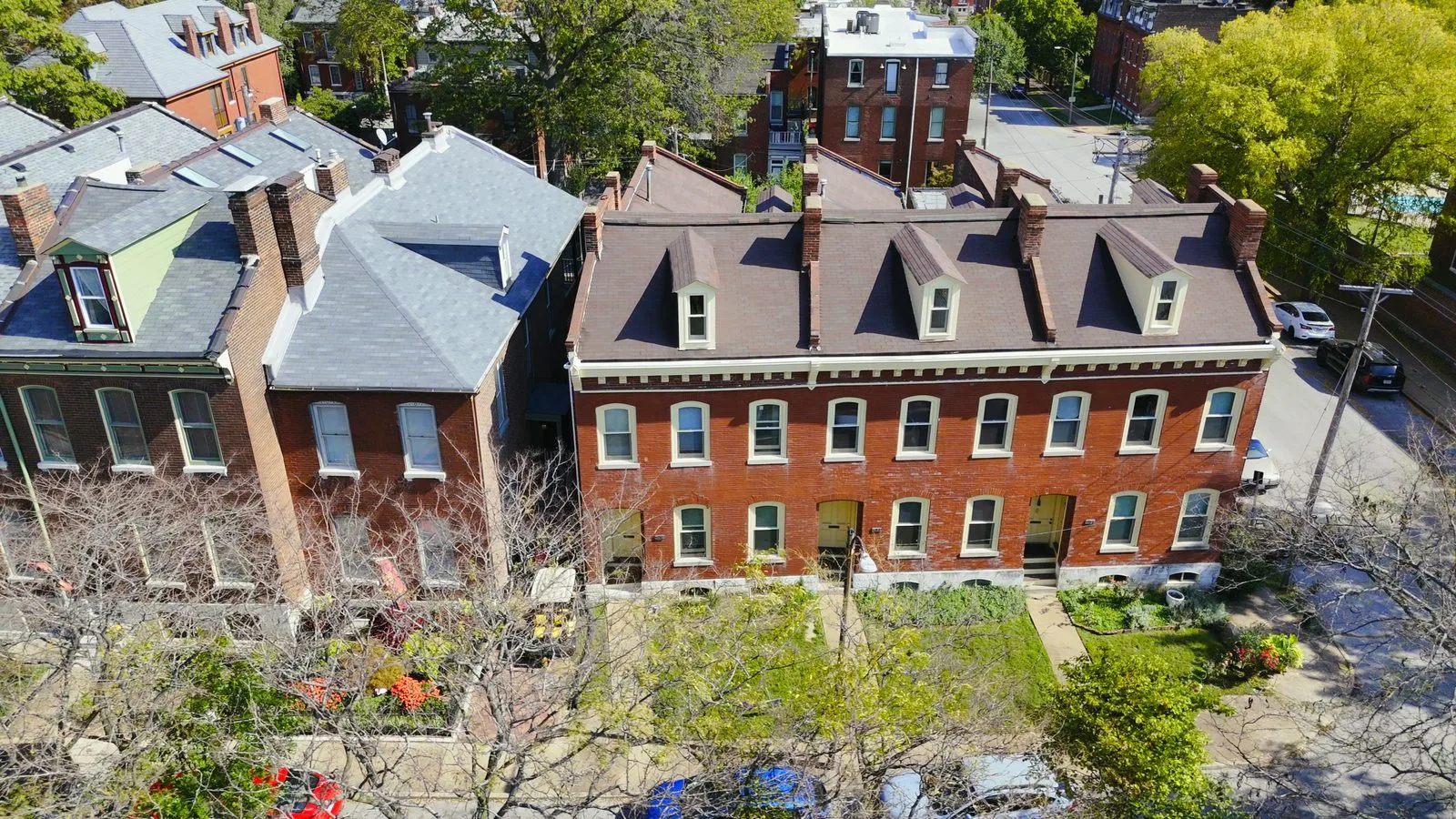
Niche ranks Soulard #13 for 2026, one place behind the Central West End, and it is the oldest neighborhood in the city.
The housing is the draw: rows of red-brick homes from the 1800s, most of them narrow, many of them restored. It is also the most walkable stretch of bar and restaurant density in St. Louis outside of downtown, along Russell Boulevard and Menard.
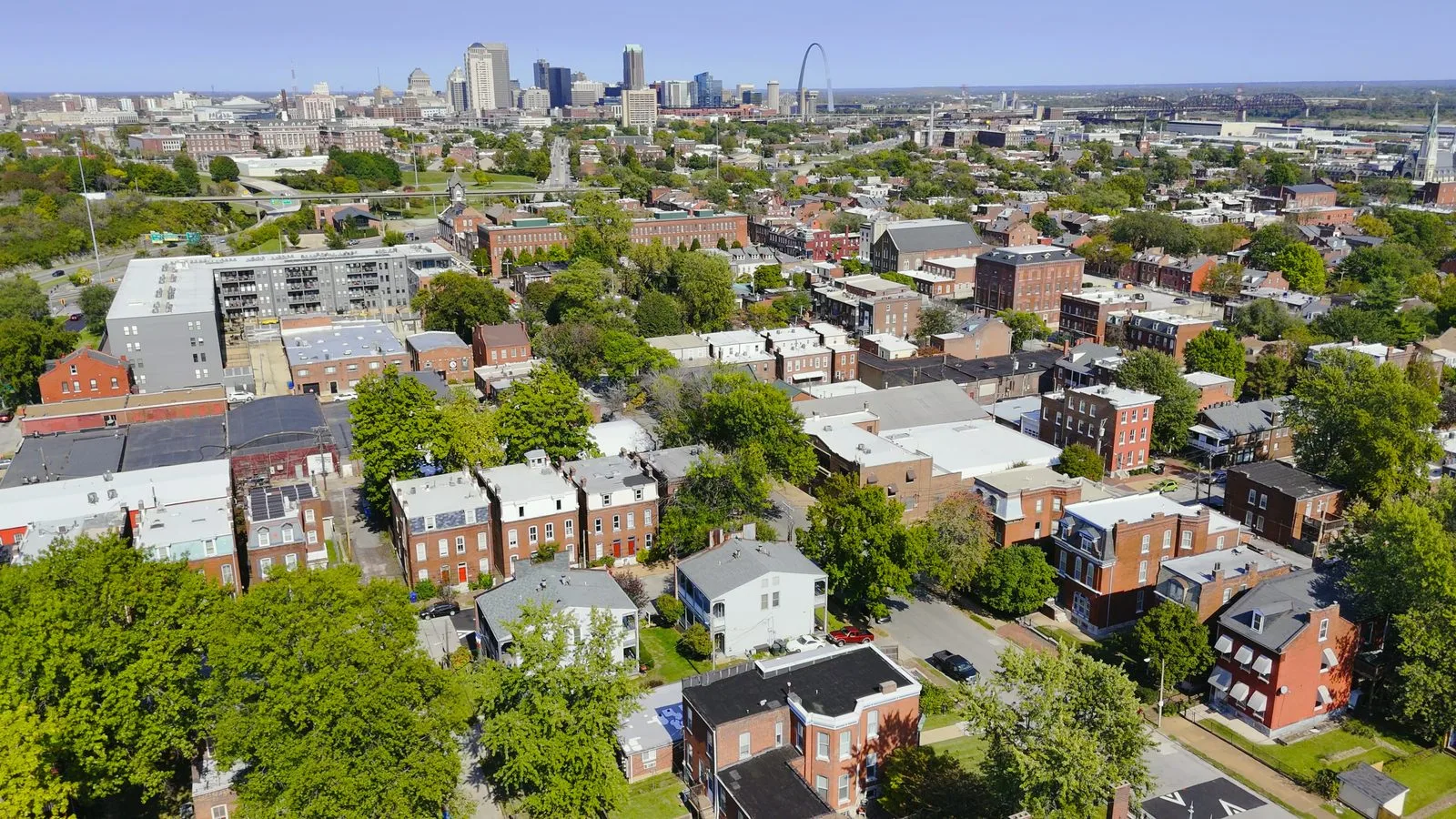
Soulard sits just south of downtown, so a downtown job is a ten minute drive or a reasonable bike ride. It is also home to Soulard Farmers Market, which has operated on the same site since 1779, and to the city’s Mardi Gras, which is the second largest in the country and takes over the neighborhood for a weekend every year.
That last part is worth knowing before you sign anything. Mardi Gras is a genuine attraction for some people and a genuine reason to live elsewhere for others. Ask anyone who lives there and you will get a strong opinion either way.
More detail in our guide to living in Soulard.
 10 minutes, 30 secondsLiving St. Louis
3. The Grove
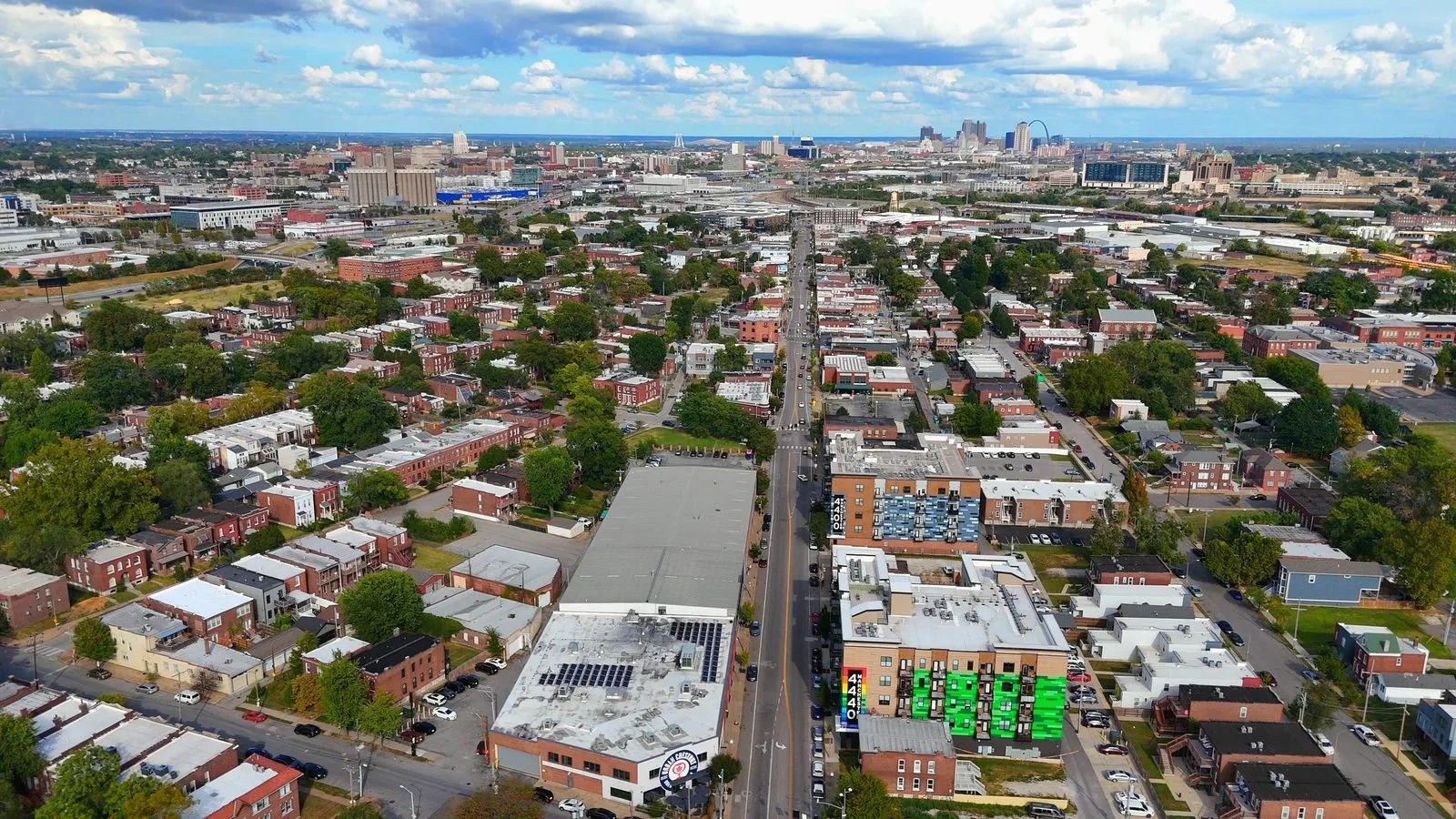
The Grove is officially Forest Park Southeast, and at Niche’s #8 it is the highest ranked of our five for 2026.
Manchester Avenue is the center of the city’s LGBTQ nightlife, with a run of bars, music venues, galleries and restaurants along a few walkable blocks, and it hosts a stretch of the calendar’s biggest events. The neighborhood business district keeps a running list of what is open and what is coming.
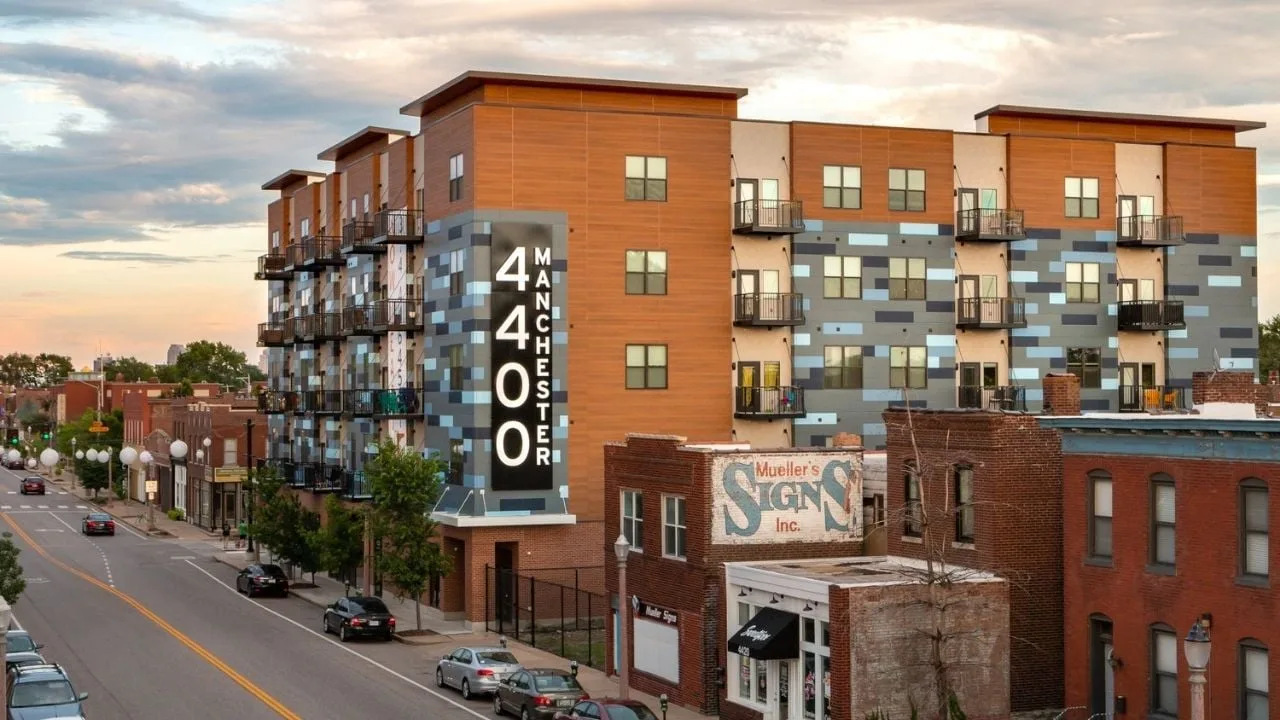
Housing here splits two ways. There is the older brick stock, much of it renovated over the past fifteen years, and there is a wave of newer apartment and townhome construction along Manchester. That mix is why The Grove tends to be more affordable than the Central West End while being a five minute drive from it.
Our full guide to The Grove covers the housing and the district in more depth.
 7 minutes, 5 secondsLiving St. Louis
Want to See What Is on the Market in These Neighborhoods?
4. Tower Grove
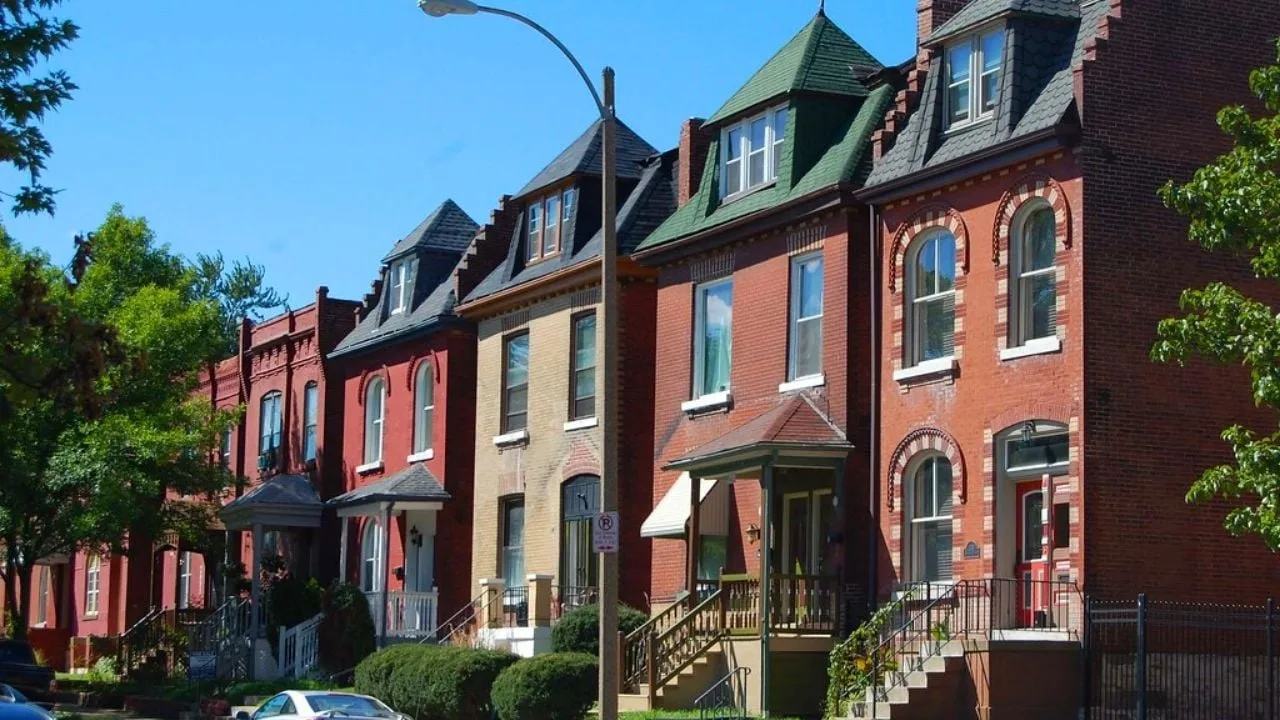
Tower Grove is actually two neighborhoods, Tower Grove East and Tower Grove South, split by where you are in relation to Tower Grove Park. Niche ranks Tower Grove East #16 for 2026 and Tower Grove South #28, and both carry an A overall grade.
The gap between those two numbers is mostly a difference in scale rather than quality. Tower Grove South has nearly twice the population and stretches further from the park, so the walkable density that the ranking rewards is thinner across the whole neighborhood.
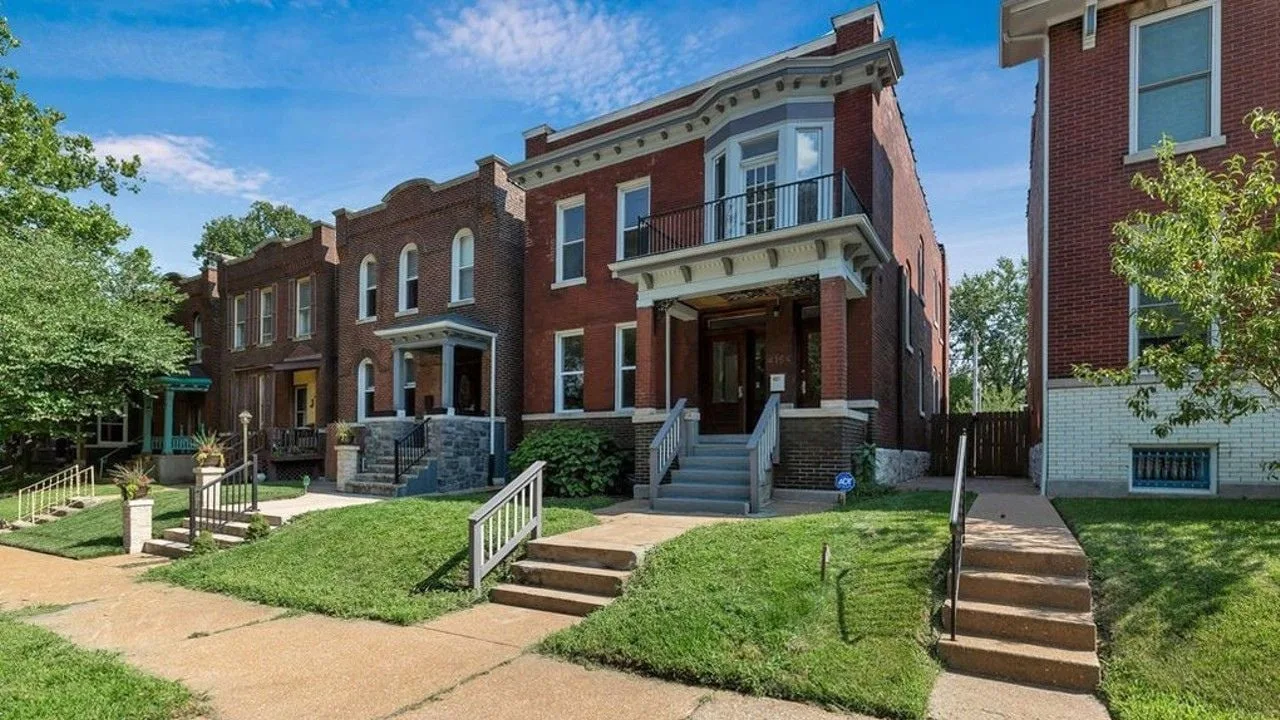
The park itself is the reason to be here. Tower Grove Park is 289 acres of Victorian landscaping with a farmers market every Saturday from spring through fall, and the Missouri Botanical Garden shares its northern edge.
Both neighborhoods are quieter than The Grove or Soulard, and the housing costs less. If your idea of a good week involves the park more than a bar, this is usually where you land.
See our guide to Tower Grove South for the detail.
5. Dogtown
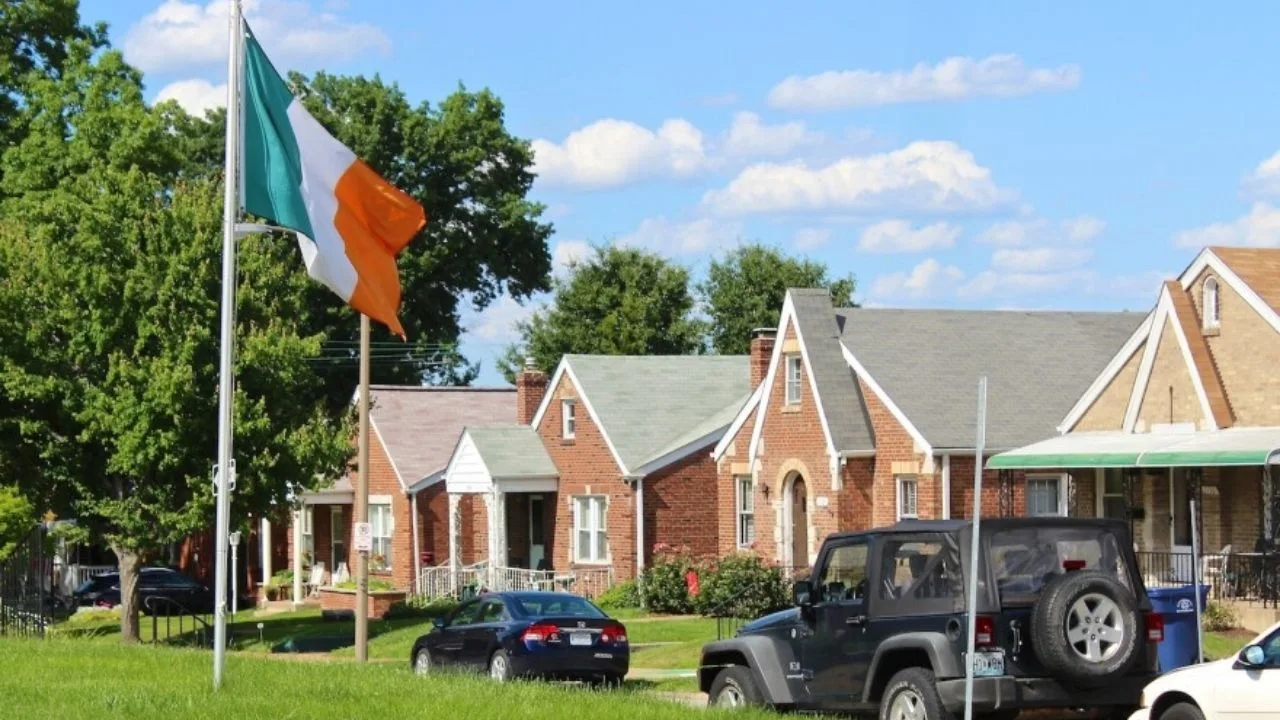
Dogtown is officially Clayton-Tamm, and Niche puts it at #10 for 2026, higher than both the Central West End and Soulard.
It is small, roughly 2,100 people, and it sits directly south of Forest Park on the city’s western edge, which means park access without Central West End prices. The housing is mostly modest brick bungalows and two-family flats, and it is the most attainable entry point on this list for a first purchase.
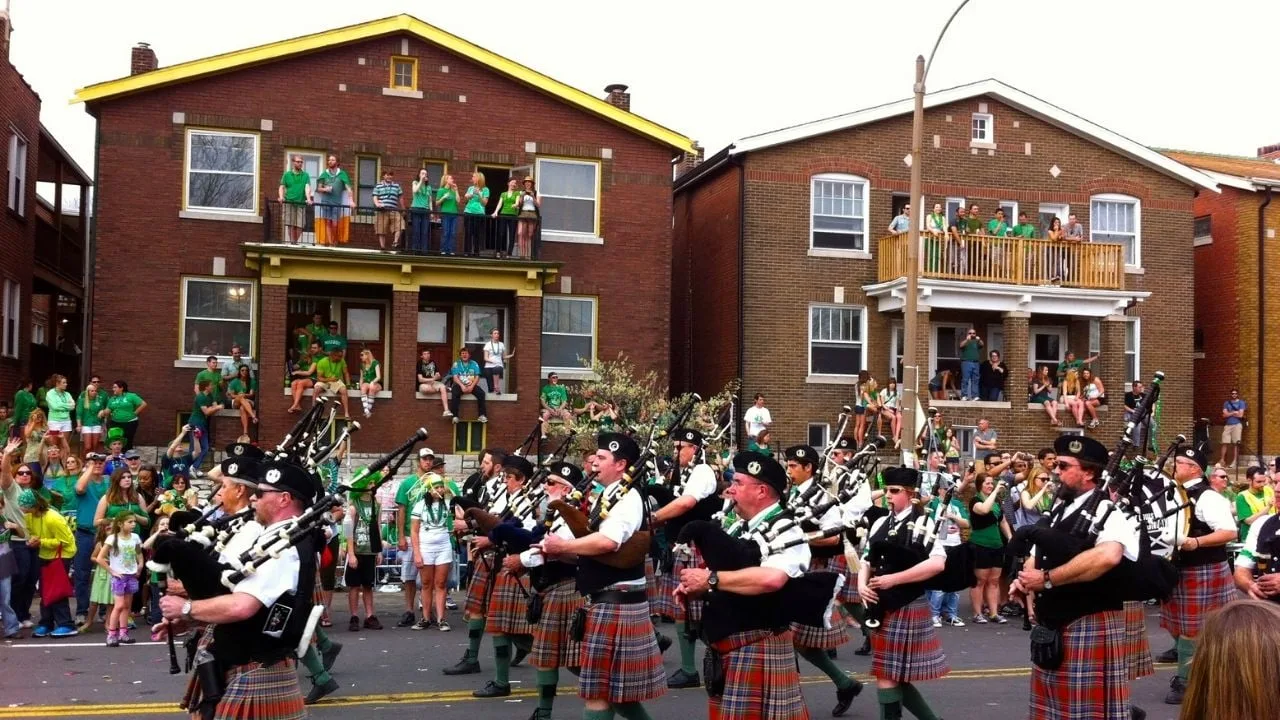
The neighborhood’s Irish-American history is still visible in the pubs along Tamm Avenue, and its St. Patrick’s Day parade is the one everybody in St. Louis knows.
The rest of the year Dogtown is quiet, which is either the appeal or the drawback depending on what you are after. It is the closest thing on this list to a small town inside the city.
Choosing the Best Neighborhood for YOU
All five of these are good answers, and the ranking will not tell you which one is yours. What usually decides it is a short list of practical questions: how far you are willing to commute, whether you want to walk somewhere on a Friday or drive, how much you want to spend, and whether you are buying now or in two years.
Most people reading this are renting somewhere in the city already. If that is you, the useful conversation is not which neighborhood is best, it is what your rent would buy you as a mortgage payment, and in which of these five. That number surprises people more often than not.
We work with buyers across all five of these neighborhoods, and we would rather talk you out of the wrong one than sell you on any of them.
Moving here from out of town? Start with our guide to moving to St. Louis. Want more space than the city gives you? Our roundup of the best suburbs of St. Louis covers the other direction.
We’re Excited to Work With You!
Someone from our team will reach out within one business day.