

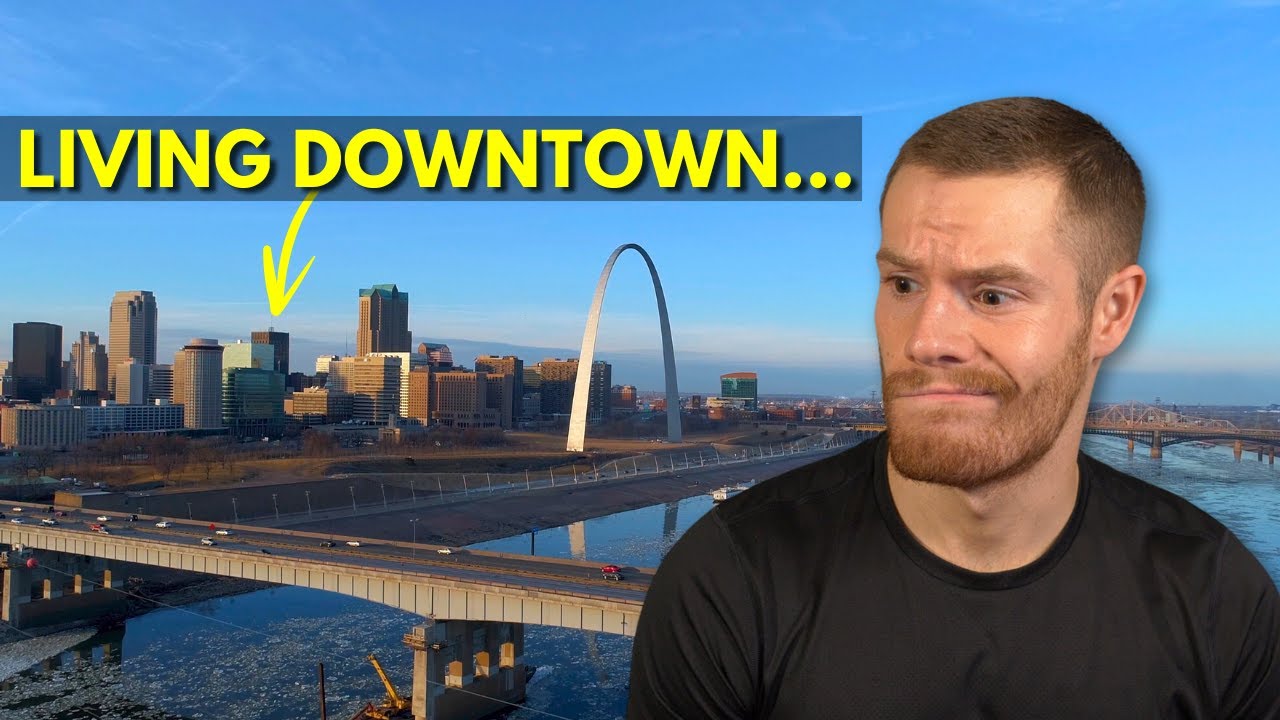
Let’s look at what it’s like to live in Downtown St. Louis.
You’ll find endless restaurants, shops, parks, and attractions all within walking distance.
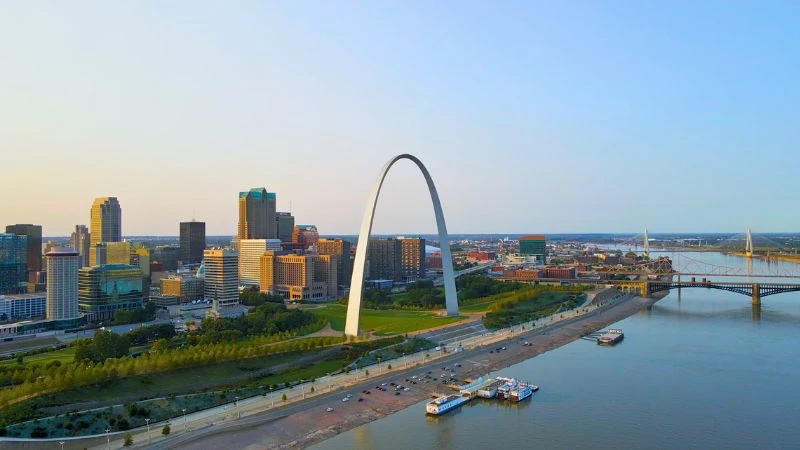
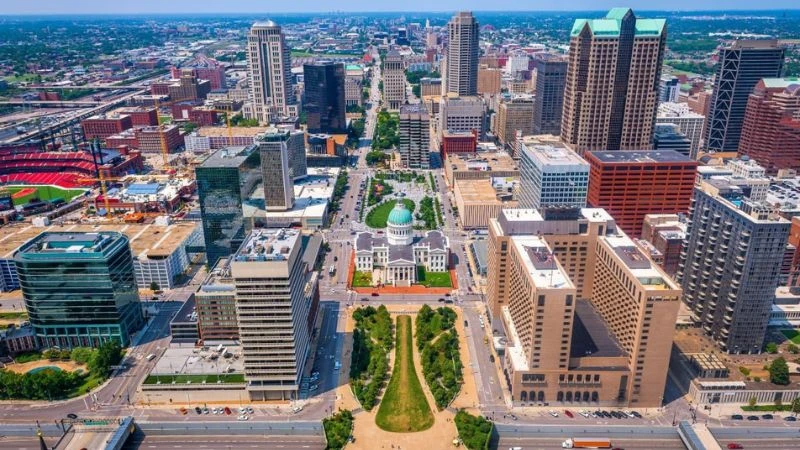
Located on the Mississippi River, this iconic neighborhood boasts landmarks like Gateway Arch National Park and Busch Stadium, home to the Cardinals.
You’ll find gorgeous lofts, industrial condo buildings, and newly built apartments.
Neighborhood Boundaries
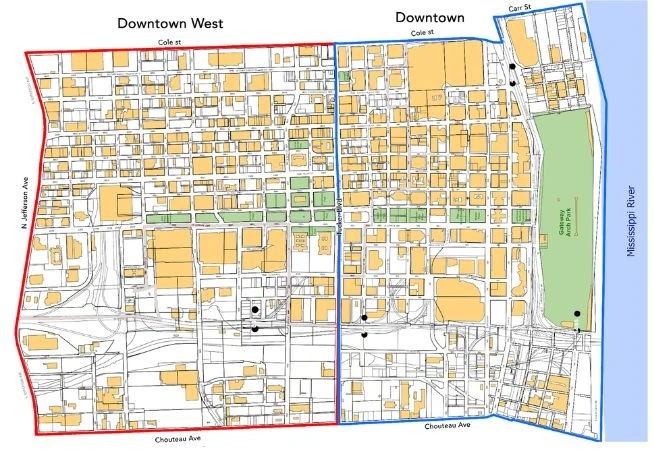
Here are the boundaries of what we define as Downtown St. Louis:
- North: Cole St. to Carr St
- East: Mississippi River
- South: Chouteau Ave
- West: Tucker Blvd
Downtown vs. Downtown West?
Even among local St. Louisans, “Downtown” and “Downtown West” are often used interchangeably.
Some people will lump them together and refer to both as the Downtown area; it just depends on who you’re talking to.
Downtown West extends west from Tucker Blvd to Jefferson Street, between Downtown and Midtown.
Moving to Downtown St. Louis?
So What’s the Difference?
Downtown people say Downtown West has less “craziness” overall. There’s less traffic and noise during game nights and other events at Ballpark Village.
Downtown tends to be a busier neighborhood between locals and tourists.
Downtown West is typically less expensive than Downtown.
Downtown Loft Living
In Downtown St. Louis, you’ll enjoy urban living.
It’s the urban core of St. Louis City.
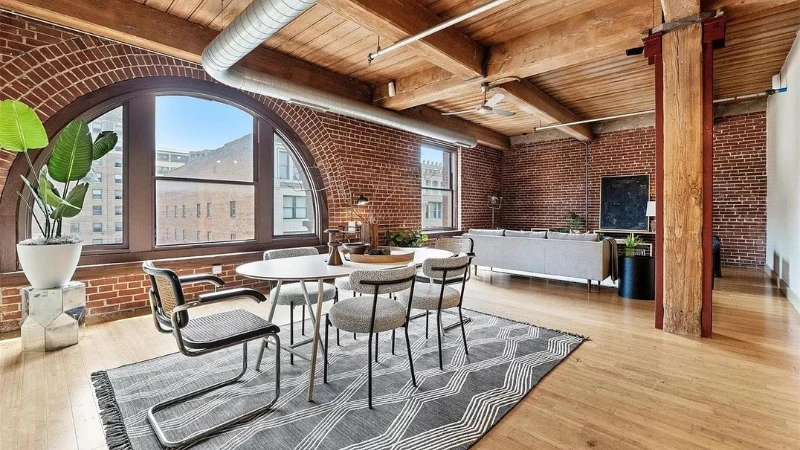
If you love lofts, you’ll love Downtown.
The housing market consists of condos and apartments; you won’t really find single-family homes or townhomes here.
 11 minutes, 25 seconds
 Living St. Louis
You’ll have plenty of real estate options, including new construction, historic buildings, and converted lofts.
Here are some of our favorite condo buildings in St. Louis:
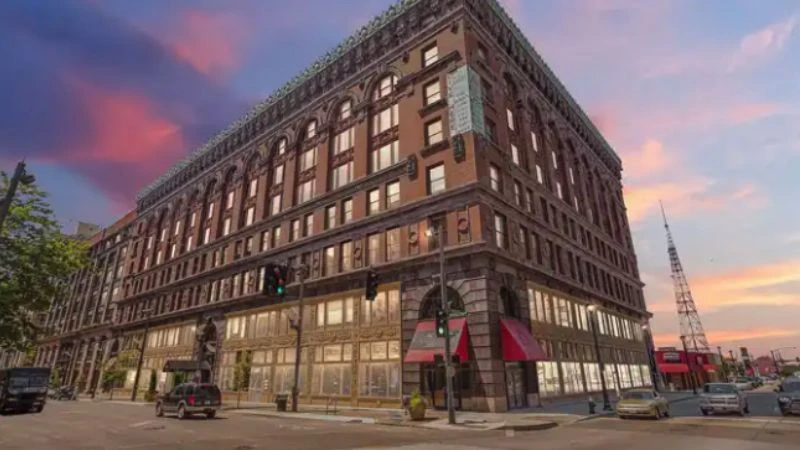
Bogen and Ventana Lofts
Condos like Bogen and Ventana lofts embrace historic loft living with high ceilings, exposed brick walls, and modern amenities.
This mixed-use building dates back to 1901.
The Printers Lofts
The Printers Lofts are two buildings that were on the National Register of Historic Places.
The eastern building, located at 1611 Locust, is slightly older, dating back to 1907.
The western building, located at 1627 Locust, is 10 years newer, built in 1917.
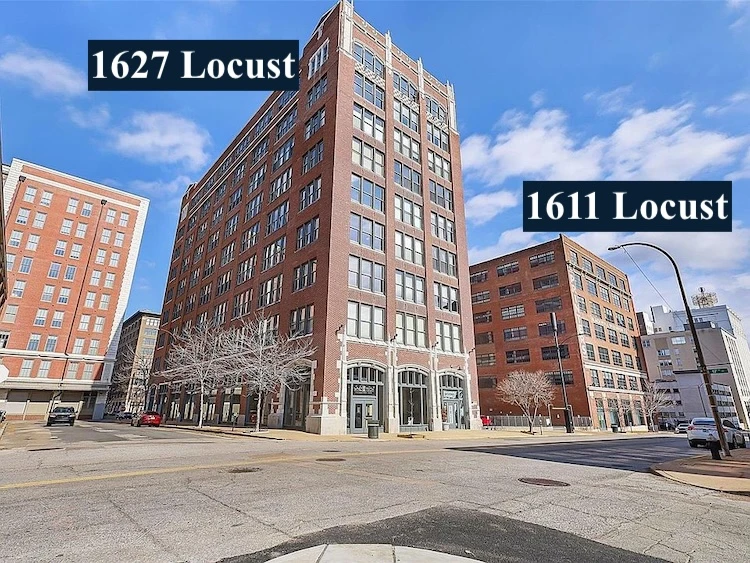
They were home to several printing companies. These buildings have been beautifully converted into 82 condominiums.
These 2-bedroom, 2-bathroom lofts range from 1,100 to 2,000 square feet and are priced between $150,000 and $300,000.
The Syndicate
The Syndicate building, constructed in 1907, experienced a decline during the 1950s and 1960s.
Following the closure of the Scruggs Vandervoort & Department store in 1967, the building stood vacant.
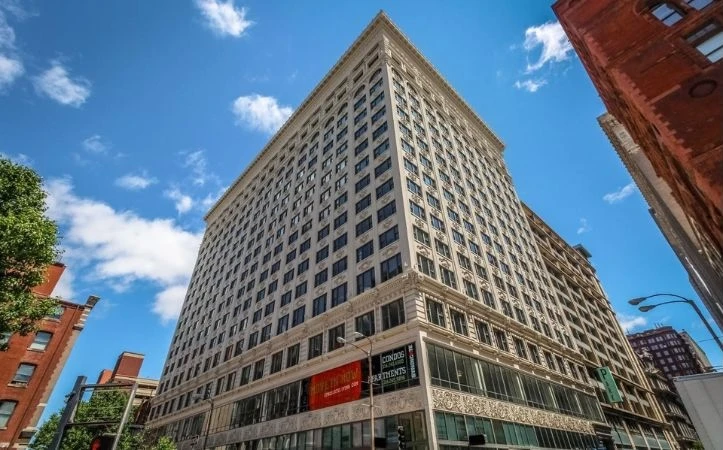
It was reconstructed between 2006 and 2008 as a mixed-use project. Today, it has 94 condominiums, 84 rental apartments, retail, and parking.
The Syndicate is a prime example of St. Louis’ dedication to preserving its history while putting forth efforts to revitalize the Downtown area.
The Meridian
The Meridian is another example of Downtown loft living.
We have toured two different units inside the Meridian, a couple of years apart. Watching them back to back is the clearest picture you will get of what your money actually buys in a Downtown loft building, and of how the same building can feel different one floor to the next:
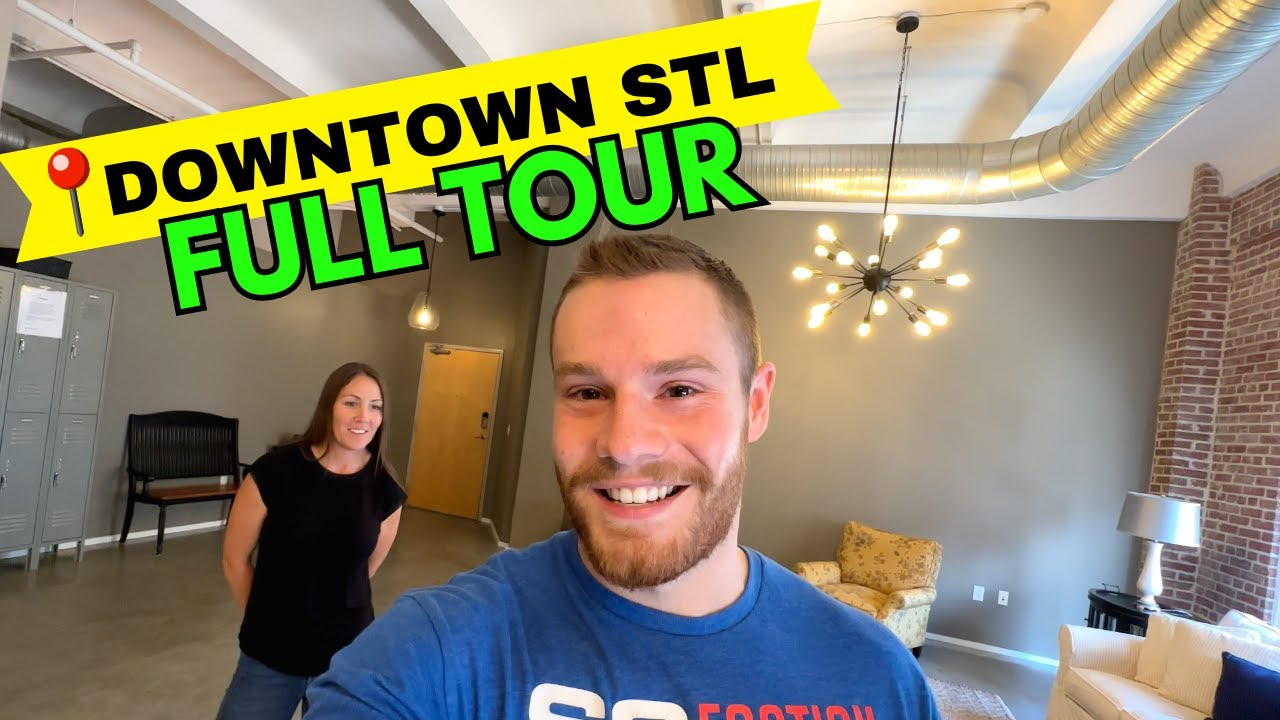 10 minutes, 3 secondsLiving St. Louis
Unit #501 — $237K
 12 minutes, 8 secondsLiving St. Louis
Unit #502 — $200K
This mixed-use building sits on Washington Ave, where many of Downtown’s revitalization efforts have been considered successful.
Shops, restaurants, and entertainment are all at your doorstep.
Plus, Insomnia Cookies is in the lobby! You can grab a late-night snack without even leaving the building.
Historic Buildings, Modern Amenities
Many Downtown condo buildings are known for their industrial charm:
- Concrete floors
- Brick-and-beam
- High ceilings
- Lots of natural light
- Open floor plans
Many buildings offer amenities like:
- Fitness center
- Rooftop patio
- Lounge
- Covered parking
- Pet park
- Business center
- Event space
If you want that lofty industrial look, you’ll find plenty of it here.
This Downtown building below was built in 1929 as a warehouse for J.C. Penney.
After changing ownership multiple times, the building underwent extensive renovation in 2001.
Developers reopened it to offer condos and a hotel.
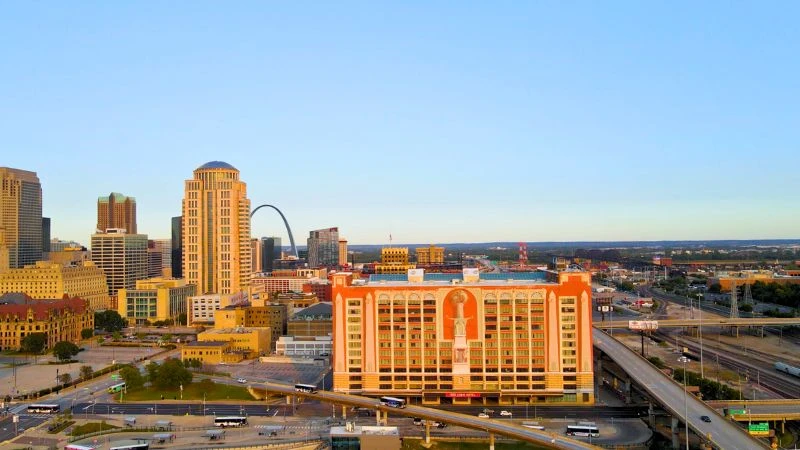
The building is the Edison Brothers Building, and it is in the middle of an $81 million revitalization. It is set to reopen as the Sheraton St. Louis Downtown in fall 2027.
Developers plan to keep the three floors of condominiums, and the World’s Fair mural is not just being kept, it is being repainted. Richard Haas, the artist who created the 13-story trompe l’oeil in the 1980s, returned to lead the restoration, which began in August 2026. The north wall and part of the east wall come first, with the west and south walls the following year, and a section of the east wall is being left untouched so you can see the before and after side by side.
It would also have event space and apartment rentals.
Downtown is a condo market, and the buildings differ more than the listings let on. We can walk you through them.
Brick-and-Beam Loft or a New Build?
What’s New Downtown?
A lot!
A dedicated effort is underway to revitalize and renew Downtown St. Louis, with investments totaling billions.
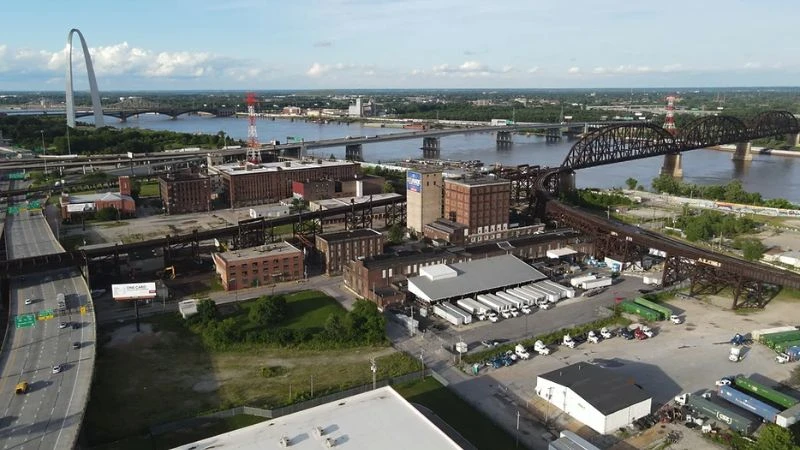
Chouteau’s Landing & Gateway South
Currently, this area exudes an industrial vibe and is in disrepair. There are several historical buildings and overgrown lots.
Plans are underway to redevelop the area with high-rise residential towers and an entertainment district.
Plans put the full build-out at roughly $1.2 billion across about 100 acres, with a $200 million first phase under way and the first industrial building expected to deliver in late 2026.
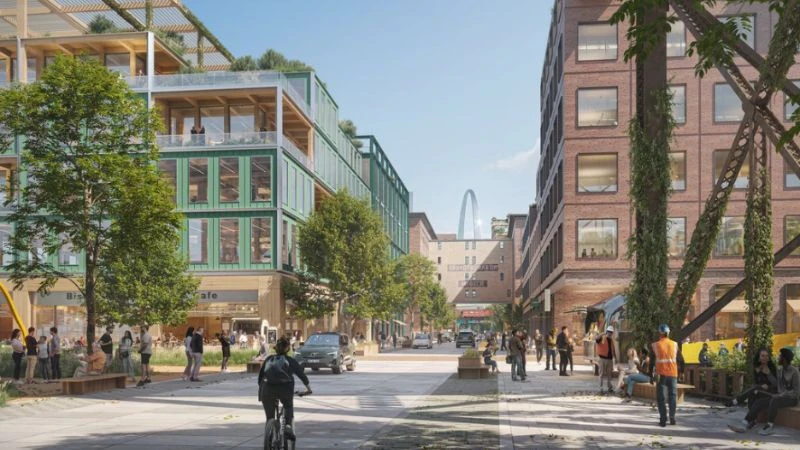
In the meantime, the area is used by ARTICA, an annual arts festival held at S 2nd St and Cedar St.
Brickline Greenway
Brickline Greenway is a planned trail linking St. Louis Neighborhoods and is already underway!
The greenway will give easy access to Downtown St. Louis amenities from nearby areas like Forest Park, the Missouri Botanical Garden, and Central West End.
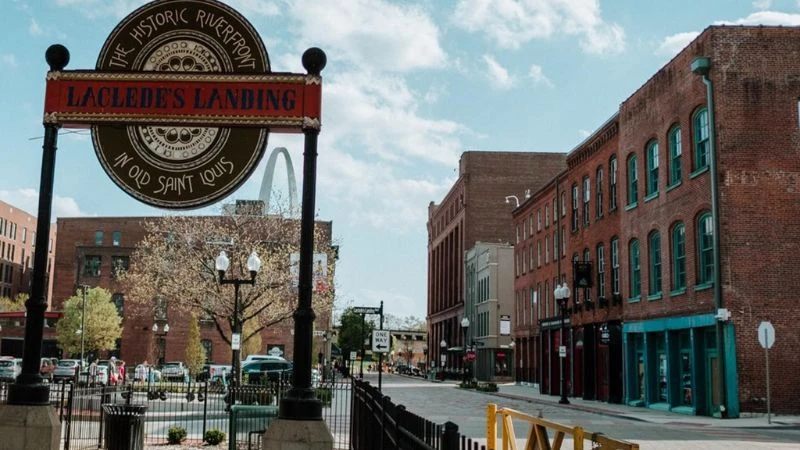
Laclede’s Landing
Laclede’s Landing has evolved with the city since the founding of St. Louis in 1764.
Nestled along the riverfront amidst historical landmarks and cobblestone roads, this area, already home to residential buildings and businesses, is primed for renewal and revitalization.
Developers are focusing on modernizing the area while keeping its historic charm.
AT&T Tower
The former AT&T office tower will be transformed into a mixed-use space that will include retail, residential units, office spaces, and a hotel.
Plans are underway, and most of the details are in progress.
11th and Spruce Stadium Apartments
This completed project is a seven-story apartment complex featuring 148 units alongside retail spaces.
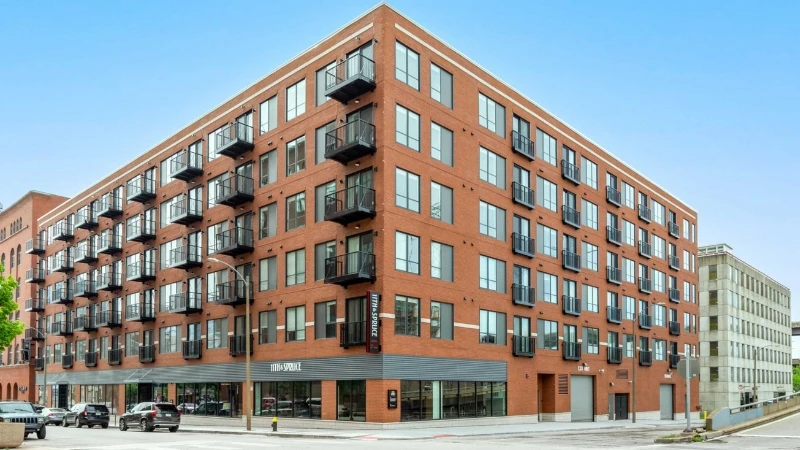
The building has a gorgeous lobby, fitness center, lounge with free Wi-Fi, and a spacious outdoor patio.
Lifestyle: City Living at Its Finest
Downtown St. Louis offers an abundance of:
- Museums
- Historical sites
- Restaurants
- Coffee shops
- Art galleries
- Bars
- Nightlife
There’s something for everyone.
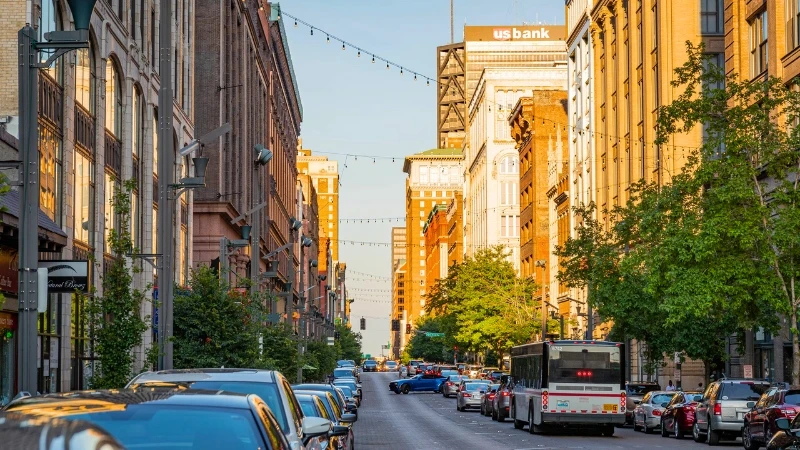
Throughout the year, the city hosts multiple festivals, like Winterfest and Taste St. Louis, which add to the community’s atmosphere.
For those seeking unique experiences, visit Idol Wolf, where cocktails and art come together in an eclectic setting.
Restaurants like Blood and Sand have received international attention, offering unforgettable dining experiences.
America’s Center Convention Complex: This convention center has regularly scheduled events in four distinct facilities: Cervantes Convention Center, The Dome at America’s Center, the St. Louis Executive Conference Center, and the Ferrara Theatre.
America’s Center also has a ballroom and 95 meeting rooms.
Ballpark Village: Located at S Broadway and Clark Ave, this sports-themed entertainment district has multiple restaurants with great food, bars, and live music.
It also boasts an outdoor gathering space with a huge LED screen, where guests can play games while enjoying the area’s amenities.
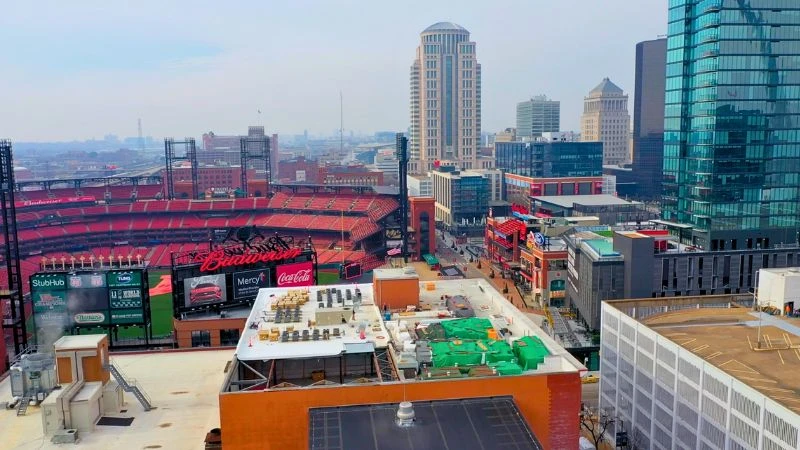
Busch Stadium: The home of the St. Louis Cardinals, this retro outdoor stadium perfectly mirrors St. Louis’ love of all things vintage.
Boasting 44,383 seats, including 3,706 club seats and 61 luxury seats, what truly strikes people is its openness. Even if you’re not inside the stadium, you can still see and experience the game simply by walking down the sidewalk beside it.
Kiener Plaza: A city park featuring a playground, fountains, and a concert area used for events like Winterfest.
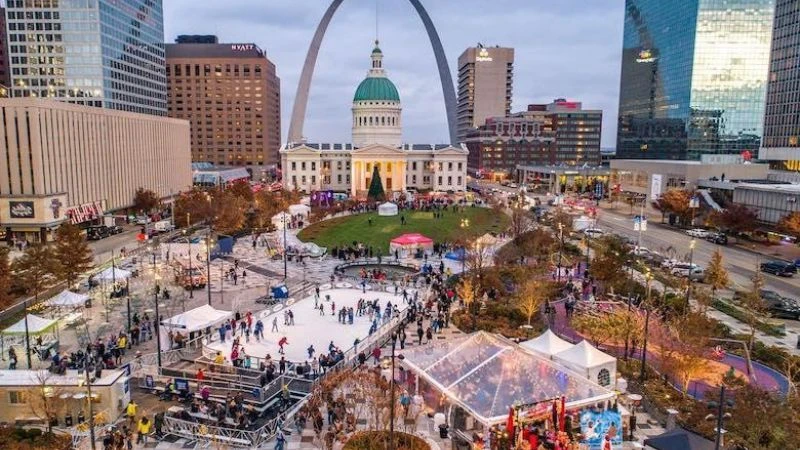
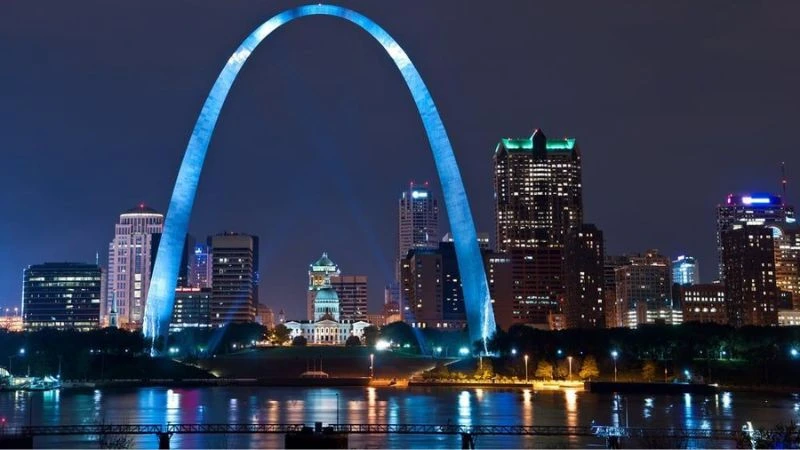
Gateway Arch National Park: This National Park is home to the iconic St. Louis Arch, which dominates the St. Louis skyline. Visitors can go up the arch for breathtaking views of the city and the river.
The park features a fantastic museum that showcases over 200 years of St. Louis’ history.
National Blues Museum: Music lovers will enjoy the National Blues Museum, which is dedicated to exploring the musical history of St. Louis.
Washington Avenue: The main artery of Downtown. Washington Ave, aka “Wash Ave,” is a hub filled with restaurants, hotels, nightclubs, museums, and shops.
This inviting area is vibrant and bustling. Be sure to check out Flamingo Bowl if you’re into bowling.
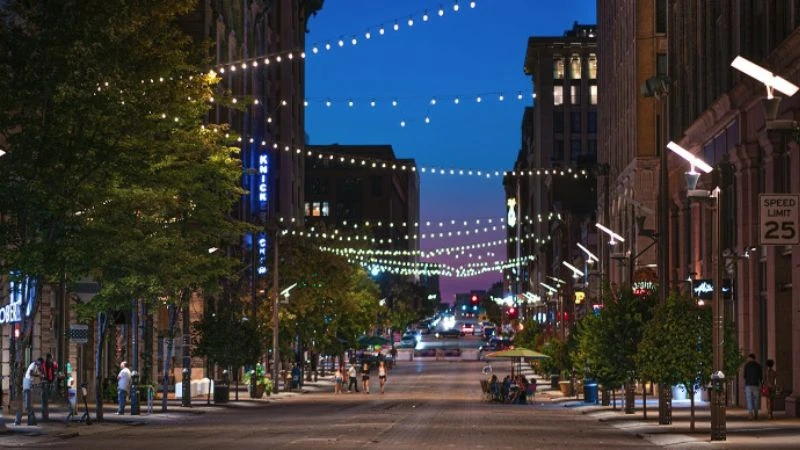
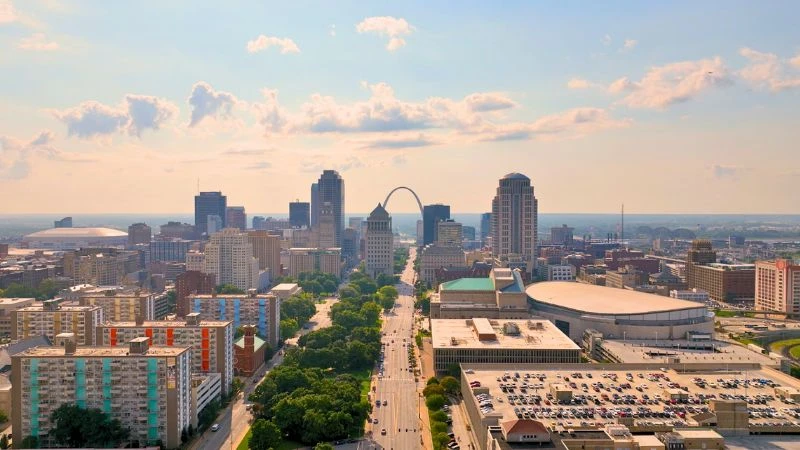
Market Street is the main thoroughfare that runs through downtown from the arch ground.
If you walk down Market Street, you’ll see multiple parks, including a sculpture park, The Stifle Theatre, and Union Station.
Also Nearby in Downtown West
The City Museum
The City Museum draws visitors worldwide, making it a must-see in St. Louis.
This unique and eclectic attraction offers a blend of quirkiness, weirdness, and fun for all ages.
It is an architectural playground with a 10-story spiral slide, climbable sculptures, and an Egypt room.
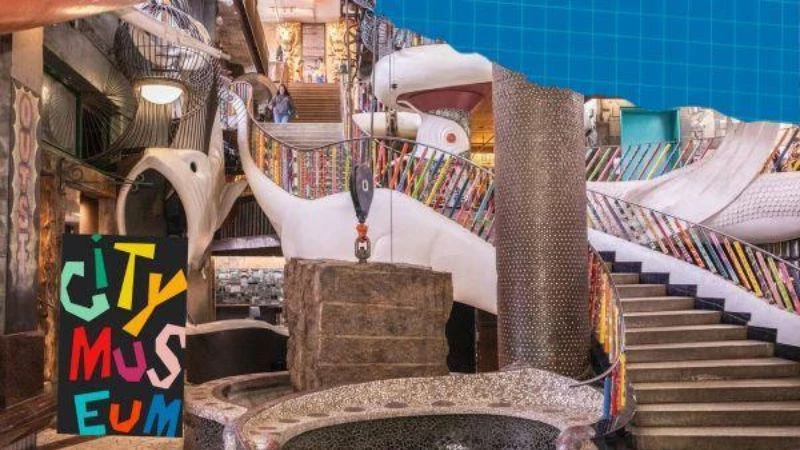
It is also home to Circus Harmony, who performs daily.
The St. Louis Blues
If you’re a sports fan, try to catch a St. Louis Blues game. They play at the Enterprise Center. With three major sports teams, St. Louis has plenty of games to watch.
St. Louis City SC (Soccer)
The team plays in an outdoor Stadium called Citypark, which holds 22,500 seats. Its modern appearance and lively design make it a welcoming addition to the Downtown area.
Union Station
St. Louis Union Station is an entertainment hub, boasting attractions such as the St. Louis Aquarium, a towering 200-foot-high Ferris wheel, restaurants, mini-golf, and more!
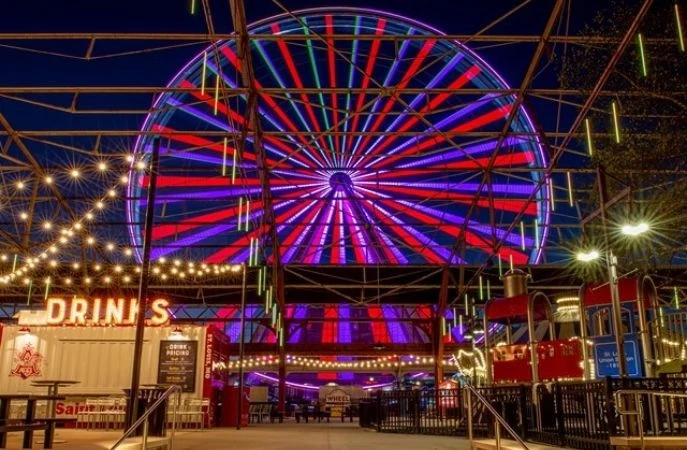
It’s a fantastic destination, especially for families with children, offering fun activities for everyone.
Don’t Forget Nearby St. Louis Classics
Though technically not located in Downtown or Downtown West, there are some great things to do in nearby neighborhoods:
- City Foundry STL
- Armory STL
- Forest Park
- St. Louis Zoo
Hotels: Not Just for Out-of-Town Guests
Downtown St. Louis hotels aren’t just for out-of-town guests.
Many of them have great bars and restaurants. They also add to the overall vibrancy of the city by making the downtown area attractive to tourists and locals.
Loews – St. Louis: A hotel in Ballpark Village with meeting and event space and four places to dine and grab a drink.
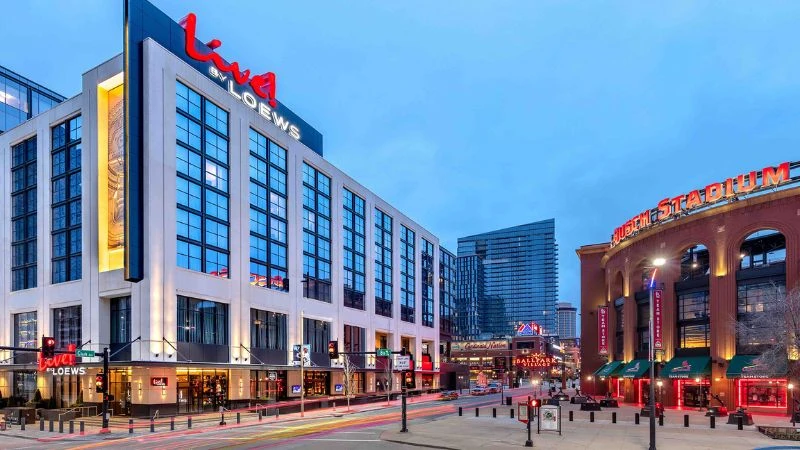
Four Seasons Hotel St. Louis: This hotel offers the usual upscale Four Seasons guest rooms and features Ramsey’s Kitchen by Gordon Ramsay and the RK Bar on a terrace with amazing views of the arch.
Hilton Pennywell St. Louis: This hotel was a bank in the late 19th century, making it a great addition to the historic downtown area.
Pennydrop Bar & Kitchen offers a lounge-like area to unwind. You can also visit The Vault Marketplace to grab a snack or souvenir, which is located in what used to be the old bank vault.
Hyatt Regency: Hyatt Regency St. Louis at the arch has a Ruth’s Chris Steak House and a trendy cocktail bar called RED Bar.
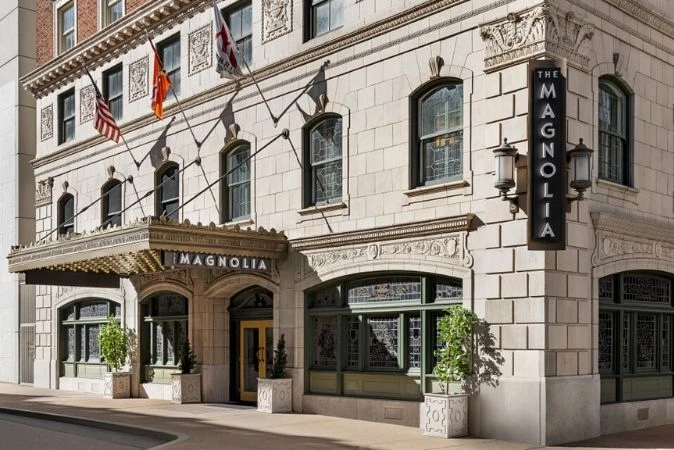
In addition, there’s the Hilton St. Louis, which features a rooftop 360 bar, and The Magnolia (a Tribute Portfolio Hotel), which often has special offers.
Plus, you have the Westin St. Louis, which features Clark Street Taphouse + Grill, and Hampton Inn St. Louis Downtown.
Schools in Downtown St. Louis and Beyond
If you have school-aged kids, there are the St. Louis private and public schools like Confluence Preparatory Academy.
College students have plenty of options, with some buildings from nearby universities in downtown St. Louis.
Nearby Renowned Educational Institutions
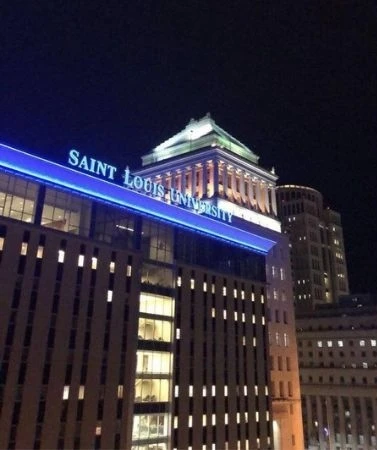
Saint Louis University: St. Louis University is a top-notch private research college best known for its health profession programs. Its law school building, Scott Hall, is located in Downtown St. Louis.
Washington University: Washington University in St. Louis is a research-centered private school known for its medicine & engineering programs. Its entire campus was originally in downtown St. Louis, but it was relocated to the nearby Central West End in 1905.
Webster University: This private university, known for its business program, has its main campus in nearby Webster Groves with additional buildings downtown.
How Safe is Downtown?
This is a common question, and the answers vary a lot depending on who you ask, so here is the actual data and where it comes from.
First, a statistical quirk worth understanding: St. Louis City is an independent city, not part of any county. Its boundaries have not changed since 1876. So citywide crime rates are calculated against roughly 300,000 residents, while the metro area those headlines get applied to holds about 2.8 million people across a dozen surrounding counties.
That is why national “most dangerous city” lists treat St. Louis differently from peer metros whose city limits swallowed their suburbs decades ago. It is a real distortion, and it is also not a reason to wave away the numbers.
Okay… So What Does it Mean?
Murders in the city have fallen three years running: 200 in 2022, 158 in 2023, and 150 in 2024, which was an eleven-year low. Through the first half of 2026 the city recorded 64, an annualized pace of roughly 128.
The St. Louis Metropolitan Police Department publishes NIBRS crime counts by neighborhood, which is the primary source for anything at this level of detail. For the first half of 2026, the Downtown reporting area recorded 189 person crimes and 470 property crimes.
Measured against Downtown’s roughly 5,400 residents, that is the highest combined rate of any neighborhood in the city. We are not going to soften that, because it is the single most useful number on this page for anyone weighing a move here.
Two pieces of context belong with it, and neither cancels it out:
- Downtown’s daytime population dwarfs its residential one. Offices, stadiums, conventions, hotels and bars pull in tens of thousands of people who are not counted in the denominator. An incident involving a visitor still gets divided by that small resident base, so a per-resident rate structurally overstates what someone living here experiences.
- Property crime is the bulk of it. Downtown’s property offenses outnumber person offenses roughly two and a half to one, and motor vehicle theft is the single largest category. Practically, the day-to-day risk profile is much more about what is left in a parked car than anything else.
A note on methodology, because mixing systems is how bad comparisons get made: these are NIBRS totals, which are broader than the FBI index-crime categories consumer sites use. NIBRS counts simple assault, intimidation, vandalism and fraud that index-crime rates leave out, so these figures are not comparable to a rate you read on a national ranking site. The population denominators are 2020 Census counts, and the city has lost residents since, so true current rates run slightly higher across the board.
Addressing The Issue
Safety is a stated priority of Design Downtown STL, the city’s adopted plan for the neighborhood, alongside the walkability and public-space work described earlier on this page.
If you are considering Downtown, the most useful thing you can do is look at the primary data yourself rather than a national aggregator, and then walk the specific blocks you are considering at the times of day you would actually be there. Conditions vary street to street here more than they do in a typical suburb.
What Do The People Who Live There Say?
Most downtown residents acknowledge crime, the homeless population, and challenges with parking.
Locals also note that while some streets in Downtown are lively and bustling with people, others can appear dead.
The History of Downtown St. Louis
St. Louis cares greatly about preserving its history: you see it everywhere!
From street names celebrating its French heritage to unique architecture like City Hall, let’s take a quick look at what made St. Louis what it is today.
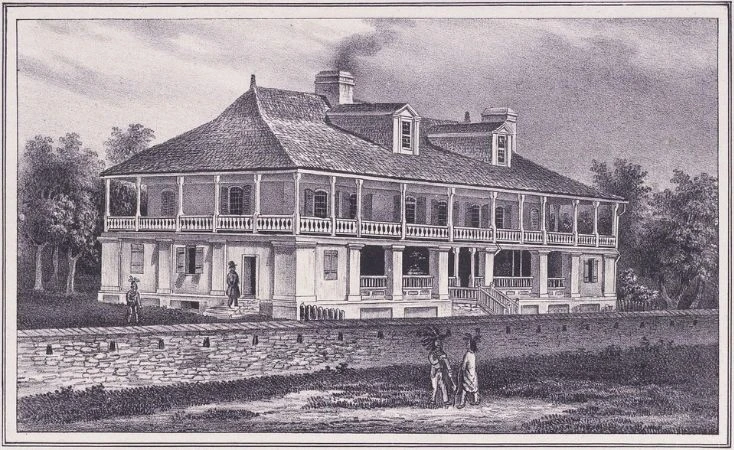
The Founding of Saint Louis: Pierre Laclede
Founded in 1764 by Pierre Laclede, St. Louis began as a fur trading post at the easternmost point of Walnut Street along the Mississippi River.
From Village to Boom Town!
St. Louis became part of the United States of America following the Louisiana Purchase of 1803.
In the years following, steamboats lined the bustling riverfront, solidifying St. Louis as an outfitting point for trappers and explorers venturing into the western frontier.
St. Louis was making its mark!
The City of St. Louis, Missouri
On December 9, 1822, St. Louis became a city. The population was approximately 4,600, and the downtown area continued to grow.
Prosperity and Growth, The Gateway to the West
From 1830 to 1840, the population of St. Louis grew from 6,694 to 16,649.
The emergence of new buildings evolved the landscape into the central business district.
Third and Fourth Streets began attracting more retail businesses as the city grew up and down the riverfront and westward.
From 1840 to 1850, the population of St. Louis grew from 16,649 to 77,860., thanks to the influx of German and Irish immigrants.
St. Louis Riverfront
The riverfront has always been an important feature of St. Louis, especially Downtown.
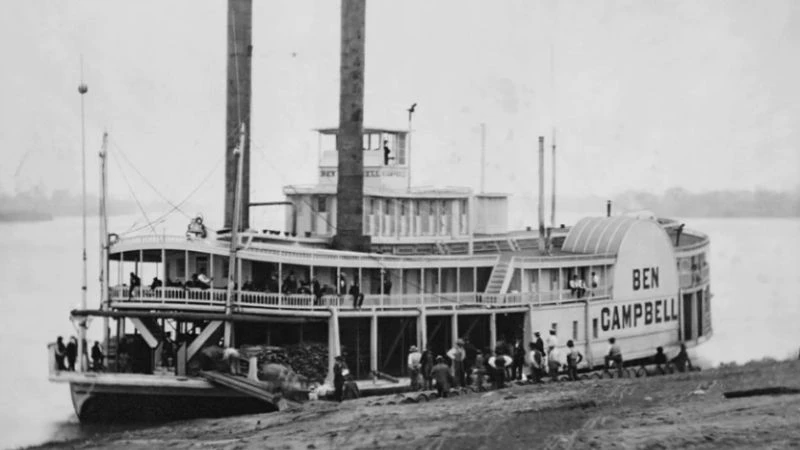
In the 1850s, river traffic increased so much that it became the second-largest port in the country.
The Civil War brought significant challenges to St. Louis, disrupting river traffic and impacting local businesses, hindering the city’s growth.
The Golden Age of St. Louis
After the war, around 1865, St. Louis saw a major boom in its Downtown area.
Office buildings sprouted up around the Old Courthouse, which was the heart of the business district back then.
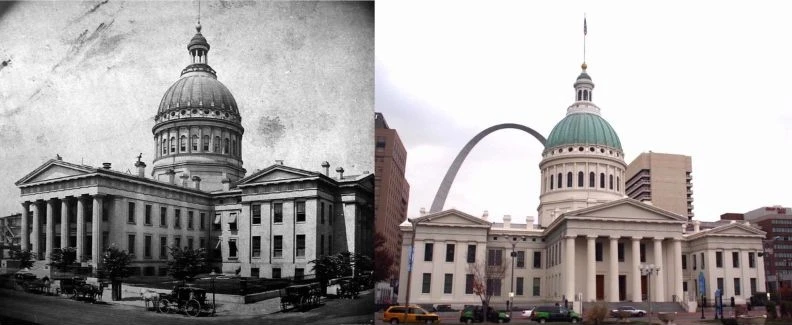
Along Fourth Street, there was a flurry of activity with retail shops, hotels, banks, and restaurants, all contributing to the city’s westward expansion.
By the 1890s, Downtown St. Louis saw the emergence of its first skyscrapers, including the Wainwright Building at 701 Chestnut Street.
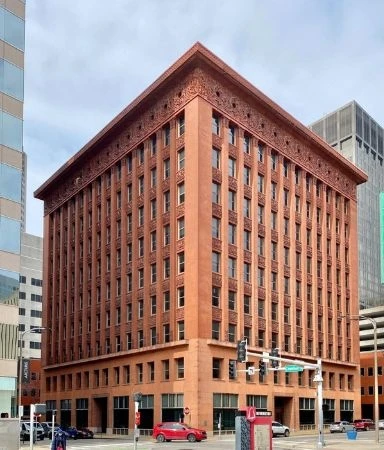
At the turn of the century, the population of St. Louis reached 575,238.
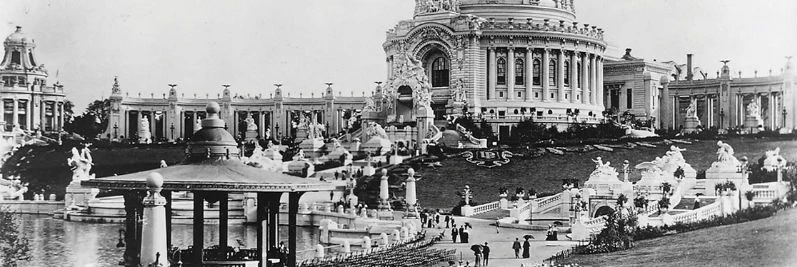
The 1904 World’s Fair brought over 20 million visitors to the City, which led to the construction of more hotels, office buildings, and homes.
You can still see many of its wonders around Forest Park. This progress continued until World War I.
Early Twentieth Century
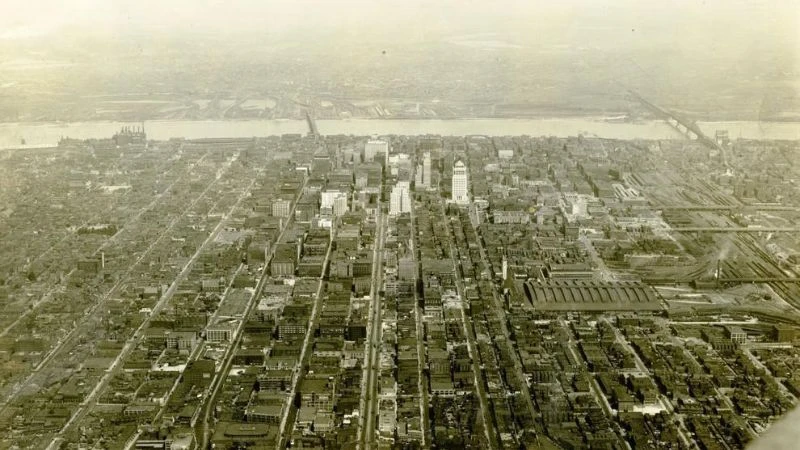
In the 1920s, the center of activity moved west, away from the Old Courthouse Downtown.
Prominent hotels like The Southern and Planters House closed, and the entertainment district around Walnut Street became a warehouse district.
During the War and Great Depression, St. Louis was still growing, but not as fast as other cities.
In 1920, it was the sixth-largest city in the US.
The city continued to evolve with transit, roadways, infrastructure, and hospitals.
The Great Depression
In the 1930s, St. Louis suffered a similar fate to other cities during the Depression.
Unemployment rose, and many construction projects came to a standstill. Downtown was in decline.
Revitalizing the Riverfront – 1960s
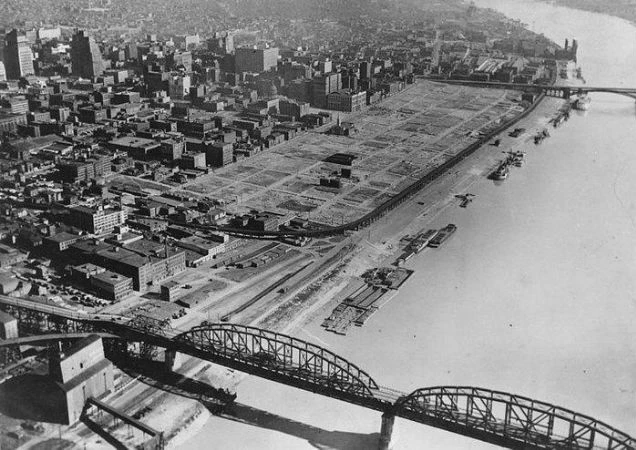
In the ‘60s, there was a push to redevelop the eastern part of the Central Business District and revitalize the riverfront Downtown.
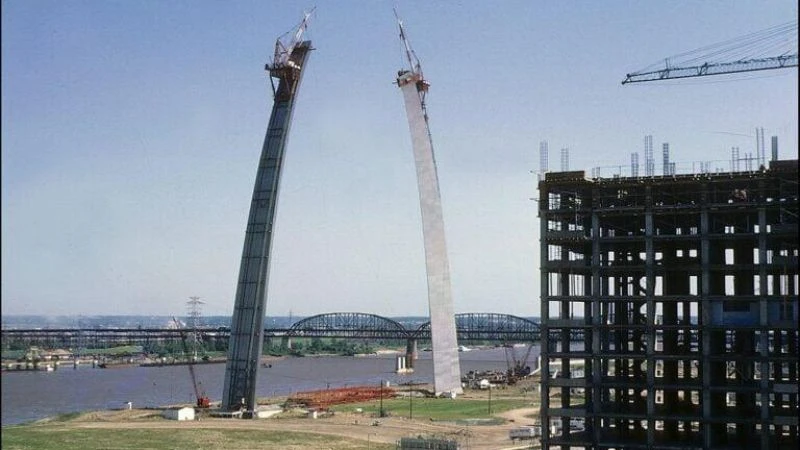
The Gateway Arch National Park was accelerated in 1962, and Busch Memorial Stadium was completed in 1966, bringing tourist activity to the Downtown area.
The 1970s- 2000
In the ‘70s, developers tore down dozens of historic buildings and built parking lots. “Downtown” moved further south.
In the 1980s, St. Louis witnessed a significant drive for preservation.
By the 1990s, the city invested heavily in urban renewal endeavors.
This included launching new construction projects, initiatives by the preservation board to safeguard historical buildings, and enhancements to the metro system.
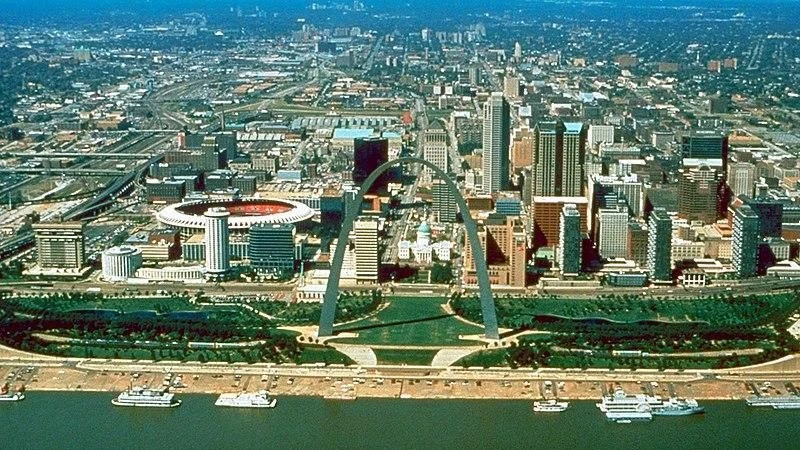
In 2000, St. Louis leadership enacted a 20-year plan to revitalize Downtown called “Downtown Now!”
It was successful and brought with it a significant residential increase.
It also revitalized important buildings like the Central Library and the old Post Office.
Present Day St. Louis: A City Steeped in History
St. Louis, Missouri, continues its revitalization efforts today through new construction, activating parks and downtown streets with events and art, and endeavors to address the unhoused community.
“Design Downtown” was adopted by St. Louis residents as the next chapter of renewal efforts by community leaders and the city. Design Downtown is driving the growth from 2020 to 2030.
This plan is to make the Downtown neighborhood more walkable and improve public spaces.
The plan calls for more pedestrian-friendly streets, more landscaping and greenery, and bike connections to the riverfront.
There’s also the STL 2030 Jobs Plan which outlines a 10-year strategy to drive economic growth and create more living-wage jobs.
Living in Downtown St. Louis, Missouri
If you’re moving to St. Louis, Downtown has so much to offer.
You’ll get that big city feel without the overwhelm of places like New York or Chicago.
If you’re looking to make Downtown St. Louis home, you can look forward to a cheaper cost of living, plenty of sporting events, lots of attractions, top-notch entertainment, and historic sites right in the heart of the city.
We’re Excited to Work With You!
Someone from our team will reach out within one business day.