

Wondering what to fix before selling a house in the St. Louis area? Usually less than you think: fix what’s broken, clean, refresh the paint and carpet, and spend a little on curb appeal. Most sellers expect us to say everything needs updating, top to bottom.
That’s about the farthest thing from the truth.
At the end of a listing appointment, most of our sellers are relieved that they have less homework than they expected. Here’s what’s usually worth fixing, what you can skip, and how our team helps along the way.
The short answer
- 1Fix what’s broken. Leaks, a dead AC, anything a buyer would call a problem.
- 2Clean, paint, and refresh the carpet. The cheapest changes with the biggest impact.
- 3Spruce up the curb appeal. Mulch, trimmed shrubs, a clean driveway, and a fresh doormat.
- 4Skip the big remodel. Price the home for the condition it’s in instead.
 25 minutes, 8 seconds
 Living St. Louis
In this video, Madison and Jacob walk through which projects are worth doing before you list and which ones to leave alone. They cover fresh paint and carpet, curb appeal, kitchen and bathroom remodels, finishing a basement or adding a bedroom, and how inspections, repair requests, and credits usually play out.
Getting Market-Ready Starts With Condition, Not Updates
Getting a St. Louis home market-ready rarely means a kitchen or bathroom remodel. It does mean a sparkling clean house, and if a cabinet door is falling off its hinges, we’re going to screw it back in.
We focus on condition more than updates, and we price the house for the condition it’s in.
A lot of the worry comes from scrolling Zillow, where every listing looks fully updated and staged. Sellers assume theirs has to look that way too, and it doesn’t. Good condition means everything works and is in good shape, not quartz countertops.
We Show You the Range First
Before you spend a dollar, we look at the comps and the homes selling around you and show you where your house lands on this spectrum:
Most sellers land here
- Do nothing$0What your home is worth today if you just move out.
- A few small things$$Paint, carpet, cleaning, and a short repair list.
- Fully updated$$$$What it could bring with new finishes throughout.
You decide what’s worth doing. In our experience, the big updates rarely have a good return on the investment, time, and headache.
If top dollar is your number one goal and you have the funds, we’ll tell you which projects make sense.
Not sure what is worth fixing?
We’ll Give You a Custom Strategy.
What to Fix Before Selling
Fix anything actively broken, then clean, paint, refresh worn carpet, and correct whatever sets your house apart from the neighborhood in a bad way. None of it is a remodel. Here it is in roughly the order we bring it up.
1. Anything That’s Actively Broken
We’re not telling anyone to needlessly put in a new HVAC system, but if your AC isn’t working, we need it to work.
Water problems come first: a dripping pipe, a roof leak, a leaking water heater, or a basement that gets wet when it rains. A small leak left alone can turn into something bigger before closing.
Already know about a problem? Deal with it now.
- Just had a hailstorm? Have a roofer look at the roof.
- Had sewer backups? Have someone look at the line.
- Leaking water heater? Get it repaired.
If you skip it, it doesn’t go away. It comes up during the inspection period, right when buyers are looking for reasons to ask for a discount.
One thing we’re not asking: you don’t need to go inspect your own house. Every home might have small items, like a water heater expansion tank that isn’t supported or an outlet that isn’t GFCI protected. We handle those if they come up.
2. Declutter and Deep Clean
This costs the least and changes the most.
- Clear the counters in the kitchen and bathrooms.
- Thin out the closets so they look roomy.
- Take out extra furniture so each room feels bigger.
- Pack away family photos and personal decor before pictures.
- Clear the fridge door and tuck away pet beds and bowls.
- Rent a storage unit if you need the room while you’re on the market.
- We suggest packing away about 30% of what’s in each room.
Buyers should see the room, not your things in it.
Then deep clean the house top to bottom:
- Scrub kitchens and bathrooms, including grout, fixtures, and inside the appliances.
- Wipe down baseboards, doors, trim, and light switches.
- Dust ceiling fans, vents, and light fixtures.
- Clean the windows inside and out.
- Deep clean the carpets and floors.

3. Paint and Carpet
Paint and carpet are the 2 bigger projects we recommend most. Small investment, big impact.
You can tell the moment you walk into a house that was just painted or re-carpeted: it smells new. Buyers read that as a well-maintained home, which matters most in an older house that may hold some smells.
- Paint: go neutral if you have brightly colored rooms. Sometimes it’s just touch-ups or wiping down the walls.
- Carpet: clean it first. Replace it if it’s worn, torn, stained for good, or a color that dates the house.
- Floors: you probably don’t need new hardwood, but make sure your floors are cleaned to look their best.
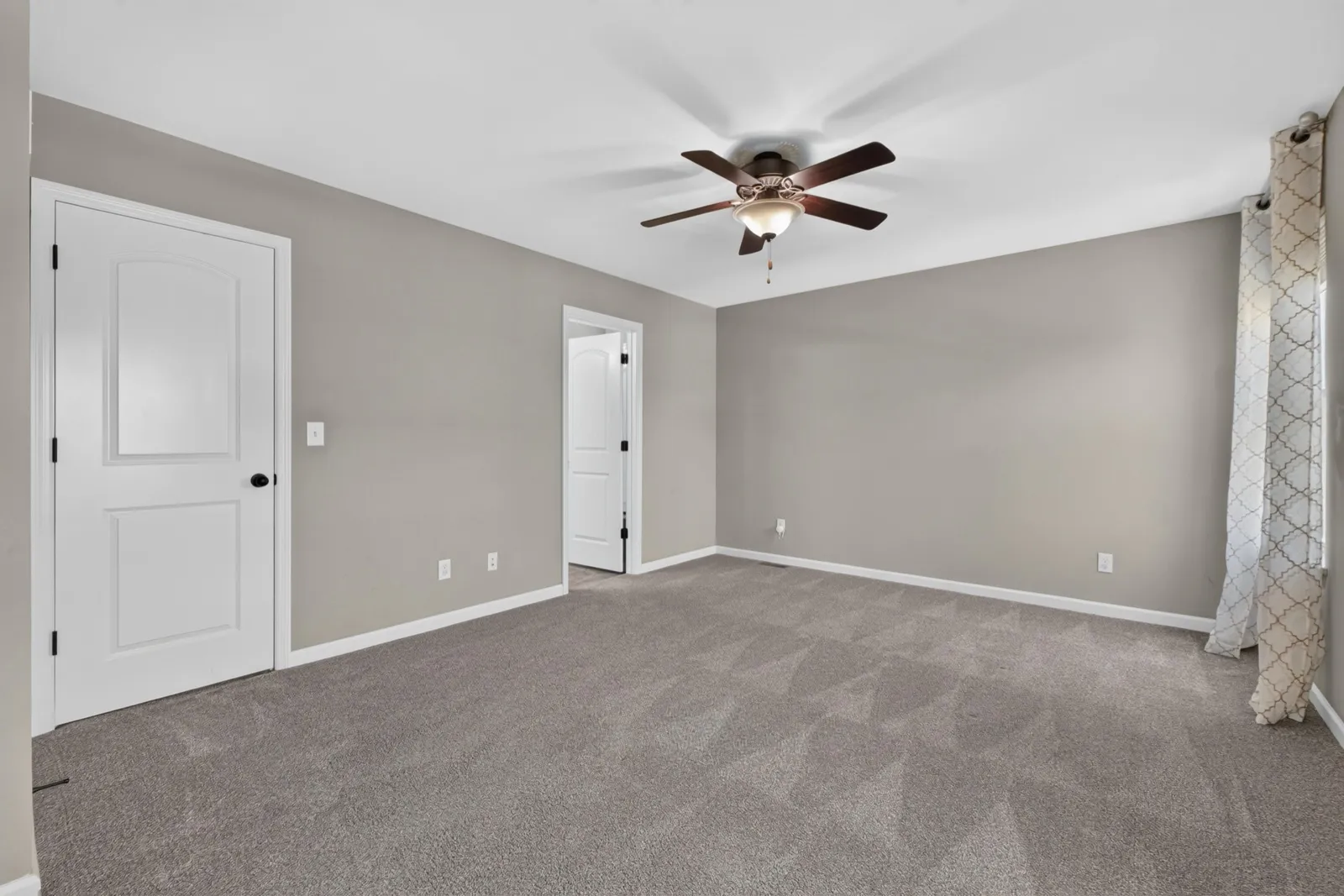
Fresh paint and new carpet, O’Fallon
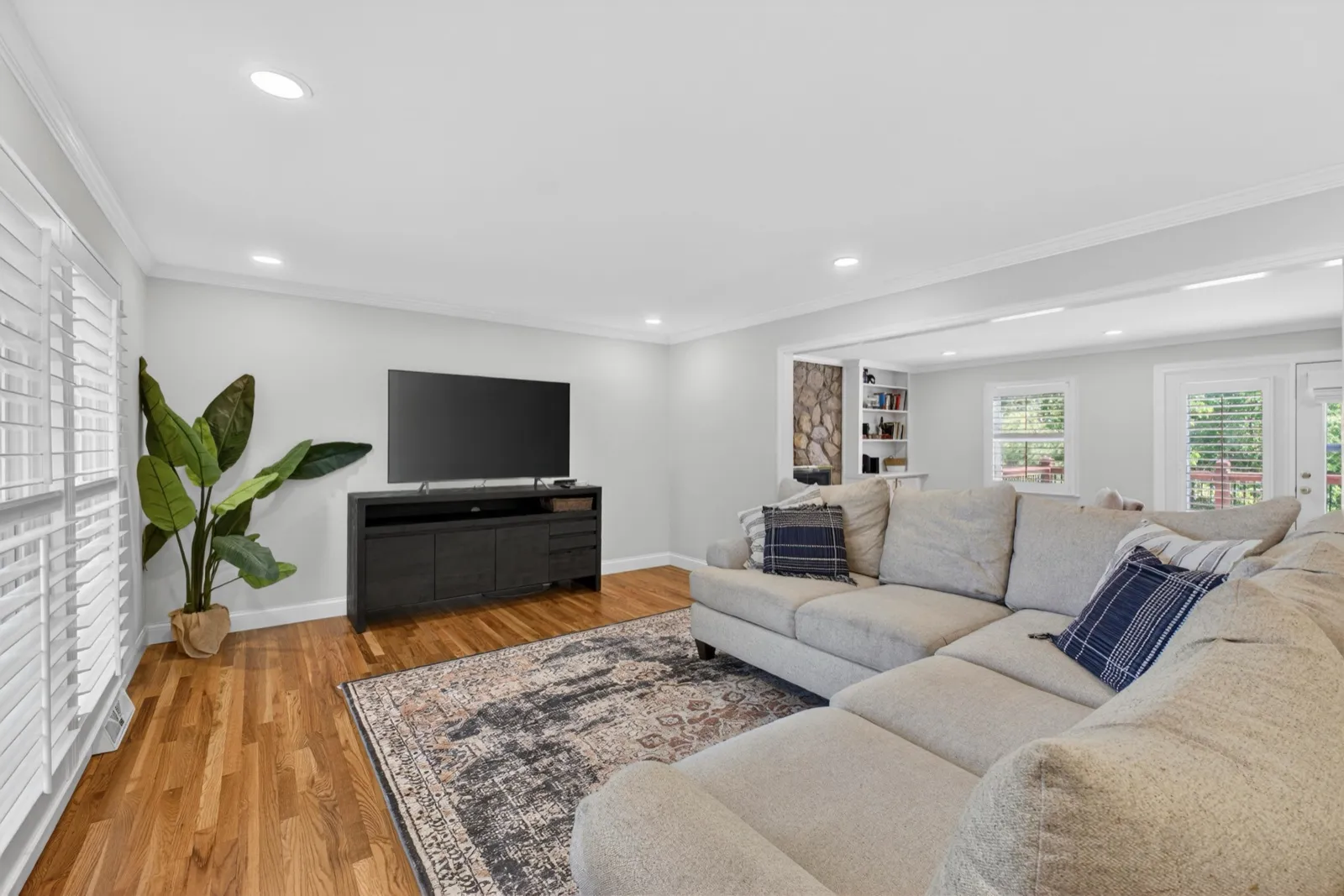
Neutral tones, Chesterfield
4. Wear and Tear Buyers Point Out
We don’t want a buyer distracted by a handprint on the wall. We want them looking at the open floor plan or the back yard and imagining themselves living there.
Our agents work with buyers too, so we hear what buyers say on showings. The same 3 things come up again and again:
- A dinged-up wall
- A torn patch of carpet
- A stain nobody can explain
Our test: would a buyer point it out on a showing? If yes, it’s on your list.
5. Whatever Is Out of Step With the Neighborhood
Every other house on the street has been updated, and yours still has blue carpet? It’s probably worth a couple thousand dollars to replace it, so the house doesn’t sell below market value. If the whole street has the same carpet, leave it.
Function counts too. We’ve listed older homes without a dishwasher, which was uncommon 50 years ago and is expected now. If there’s room for one and it’s easy to add, it adds value.
6. Anything You Started but Didn’t Finish
Don’t leave anything unfinished. A half-done project makes buyers wonder what else was left undone.
- Took down a light fixture to replace it? Put one back up.
- Bought new bushes for the landscaping? Get them planted.
- In the middle of a bathroom refresh? Finish it before you list.
- Halfway through finishing the basement? Finish it so it adds to your livable square footage.
Repair, Replace, or Leave It?
The items sellers ask about most, at a glance. The rule underneath all of them: if it’s broken, fix it. If it works and it’s in good shape, it can usually stay.
| Item | What we usually recommend |
|---|---|
| Leaks, water heater, running toilets | Fix before you list. |
| HVAC | If it works and has been serviced, leave it. If it doesn’t work, it needs to. An older system that still runs can be covered with a home warranty or a credit. |
| Roof | Repair leaks and storm damage, and check whether insurance covers hail. Replace it only if it’s failing, since FHA and VA loans are strict about roofs. |
| Windows | Make sure they open, close, and lock. Fogged glass means a broken seal, a common inspection item. Repair it or disclose it. |
| Garage door | Make sure the door and the opener work. |
| Appliances | Old but working can stay if it’s clean. Fix or replace a broken oven or another key appliance, especially for FHA or VA buyers. |
| Pests | Treat an active pest problem and repair the damage. |
| Decks and porches | Replace rotted boards, and fix loose railings and weak posts. They’re a safety hazard and can hold up FHA or VA financing. |
| Countertops, cabinets, dated finishes | Usually leave them. Buyers price in the finishes, and most would rather choose their own. |
What to Fix Depends on Your Kind of St. Louis Home
The St. Louis area has every age of house, and the age shapes the fix list. A brick home in the city, a mid-century ranch in an inner suburb, and a newer house in St. Charles County each tend to need different things.
Historic city homes
Brick, 1880s to early 1900s
Think Lafayette Square or The Hill
- Check for knob-and-tube wiring still carrying current
- Watch for water in older basements
- Power wash the brick and walks
- Plan for the city’s occupancy inspection
Inner-ring suburbs
Ranches and mid-century homes
Think Kirkwood or Webster Groves
- Look at the electrical panel brand
- Ask about the sewer lateral
- Neutral paint over dated colors
- Check your city’s inspection rule
Newer subdivisions
1990s and later
Think Wentzville or O’Fallon
- Finish a mostly finished basement
- Match updates nearby homes already have
- Fresh mulch and a clean, edged lawn
- Compete with new construction on condition
Every house is different, of course. We walk yours and give you a list that fits it, not the street.
What Not to Fix Before Selling
Skip the big renovation, and skip the pre-listing inspection. Neither one usually pays you back.
The Big Renovation Just to List
If you update a house only to put it on the market, you’re really flipping it. Most sellers aren’t in the business of flipping houses.
Plus more time before listing
Even if you push for an extra $10,000 or $15,000, after the money and the headache of managing contractors, you might come out a couple thousand dollars ahead. Or you might not.
You’re also guessing at the taste of a buyer you’ve never met. Plenty of buyers would rather move in, live with the house for a while, and pick their own finishes.
That doesn’t mean we never recommend one. If we think $10,000 of work can get you $20,000 back, we’ll say so. It’s just rare.
A Pre-Listing Inspection
We generally don’t recommend one. Here’s why:
- The buyer gets their own home inspection done anyway.
- Every inspector is different. They find different things and have different opinions about them.
- Anything an inspection reveals, you’re obligated to disclose on the seller’s disclosure statement.
- It can lead to unnecessary repairs. You may fix items that wouldn’t concern a buyer at all.
So we let the buyer and their trusted inspector go through the house, then negotiate whatever they want addressed. Anything you already know about is different. We sort that out up front.
Don’t Skip the Curb Appeal
Curb appeal is the one place sellers most often under-invest. People get so focused on the inside that they forget the front yard and the back yard.
The front of your house is the first thing buyers see: first in the listing photos, then from the driveway. Plenty of them drive by before they book a showing. That’s your first impression.
It doesn’t take a lot of money:
- Fresh mulch and trimmed shrubs
- A freshly painted front door
- A new exterior light fixture
- Power washing the driveway and the front and sides of the house, especially on a brick home
- A mowed lawn, and no leaves on the driveway before photos
- Cut back overgrown trees
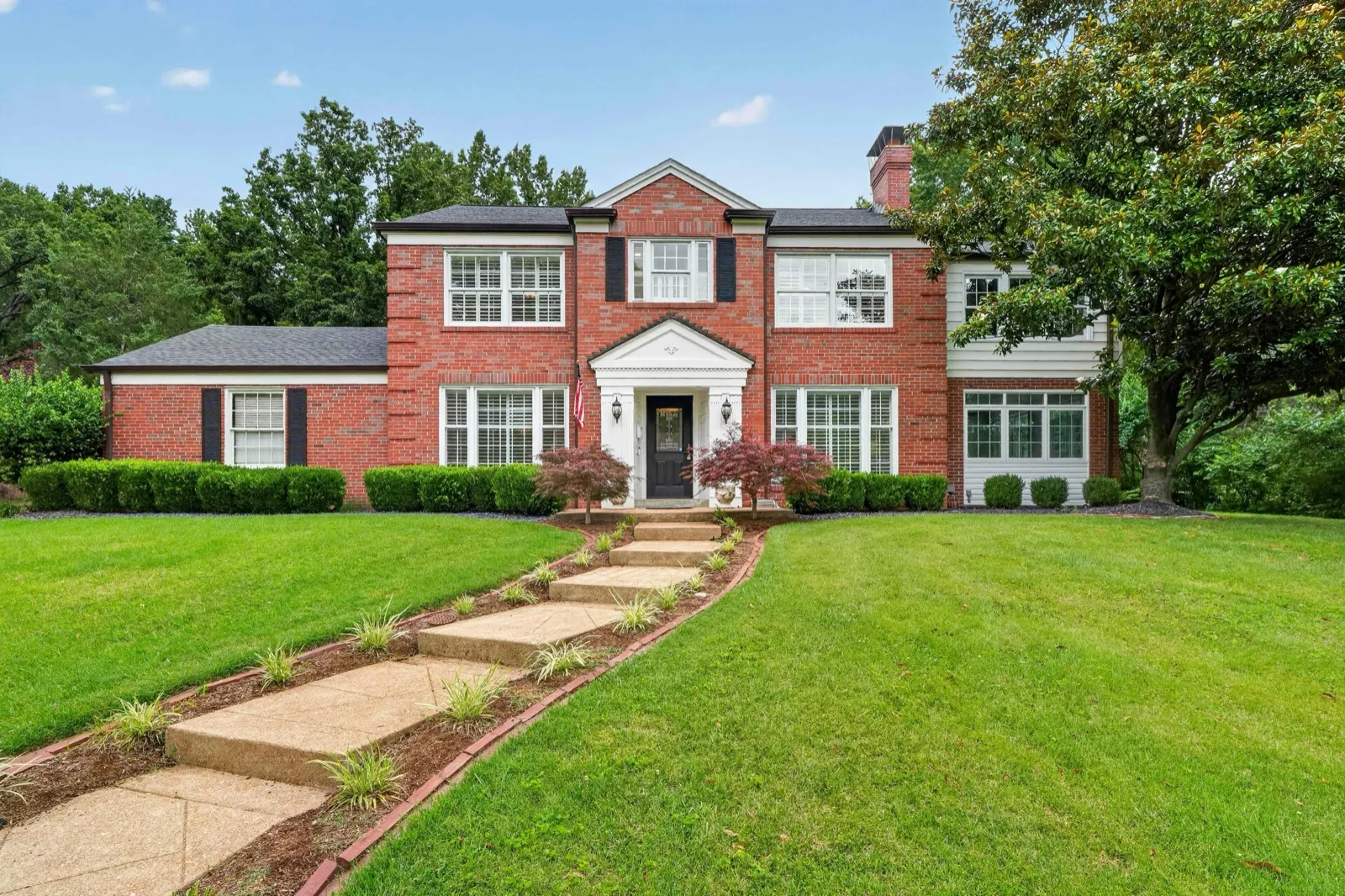
A clean front walk, Richmond Heights
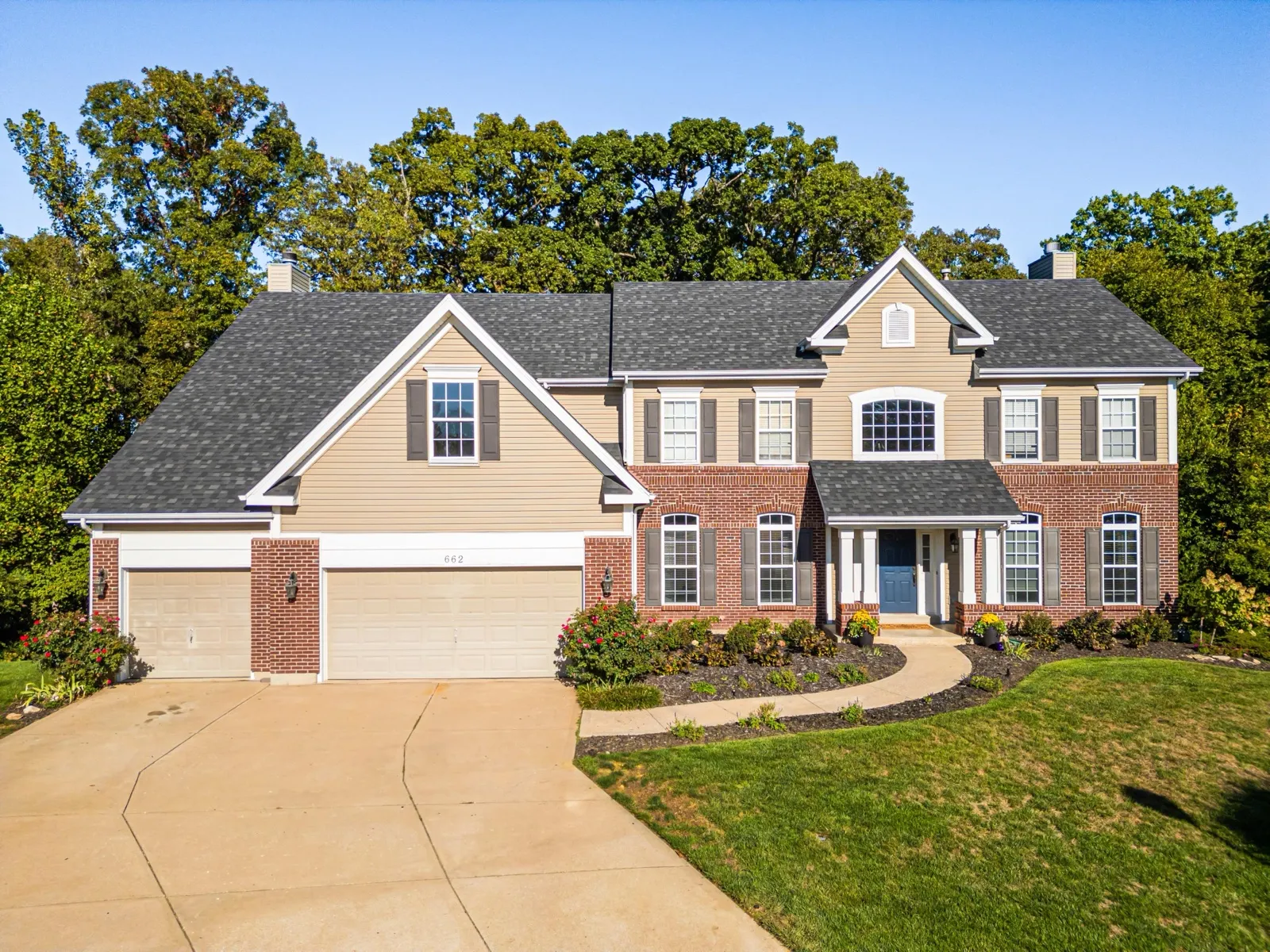
Trimmed and edged, O’Fallon
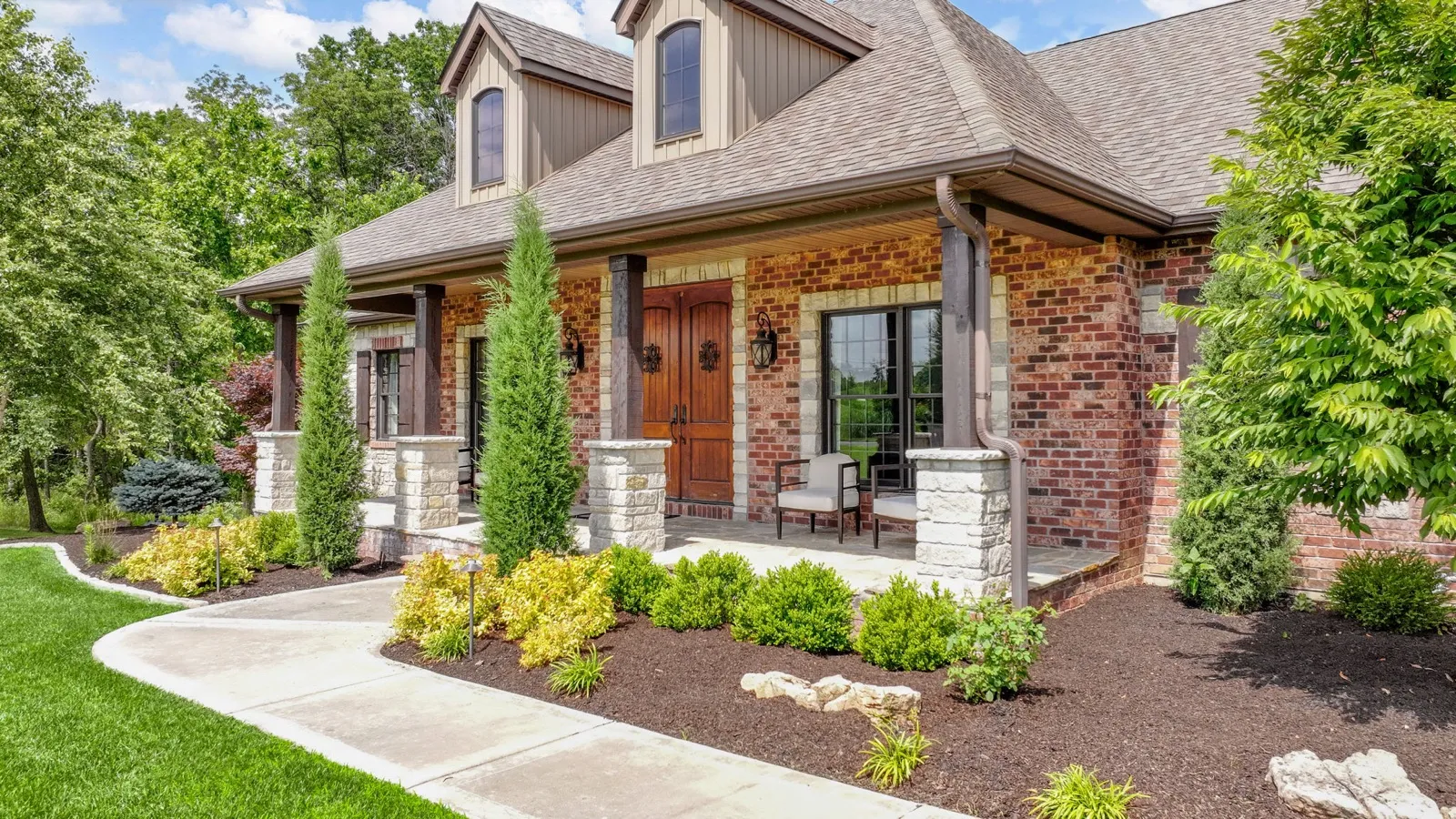
Fresh mulch, Foristell
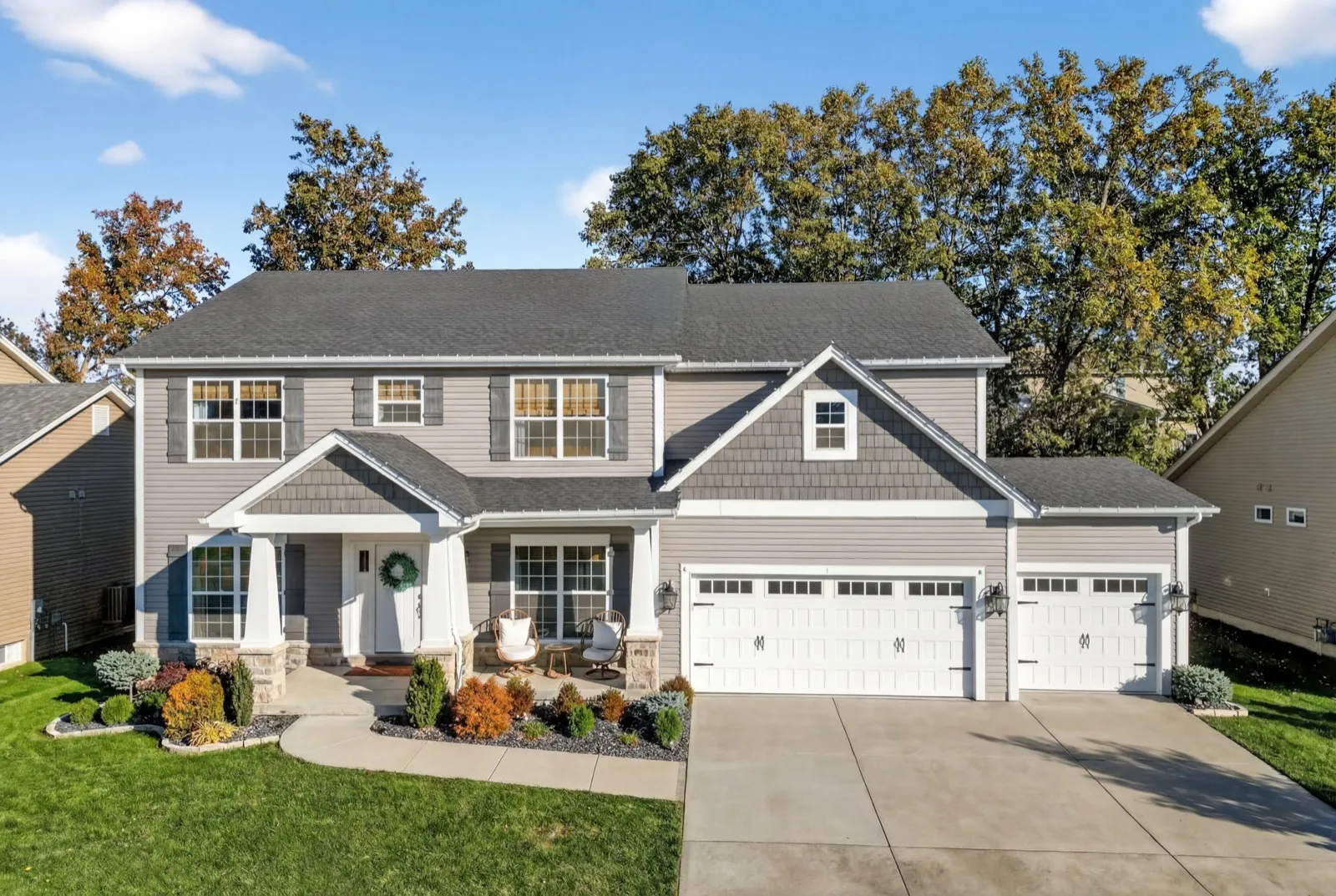
A fall listing, leaves cleared, Lake Saint Louis
$6,271
Repainting the front door? Black is a good bet. Zillow’s 2018 paint color analysis found homes with black or charcoal gray front doors sold for $6,271 more than expected (Zillow, June 2018).
Pools, Views, and Privacy Come Down to Timing
- List a pool when it’s open, if circumstances allow. A covered pool doesn’t photograph well, and buyers can’t picture summer in it.
- Mind the season for privacy. Trees that give you a private lot most of the year show it best from spring through fall.
- Open up the view. On a Lake St. Louis waterfront home, raising the tree canopy so buyers can see the lake can help the value.
- Stage the patio. A table and a few chairs show buyers how they’d use the space.

Pool open for photos, Foristell
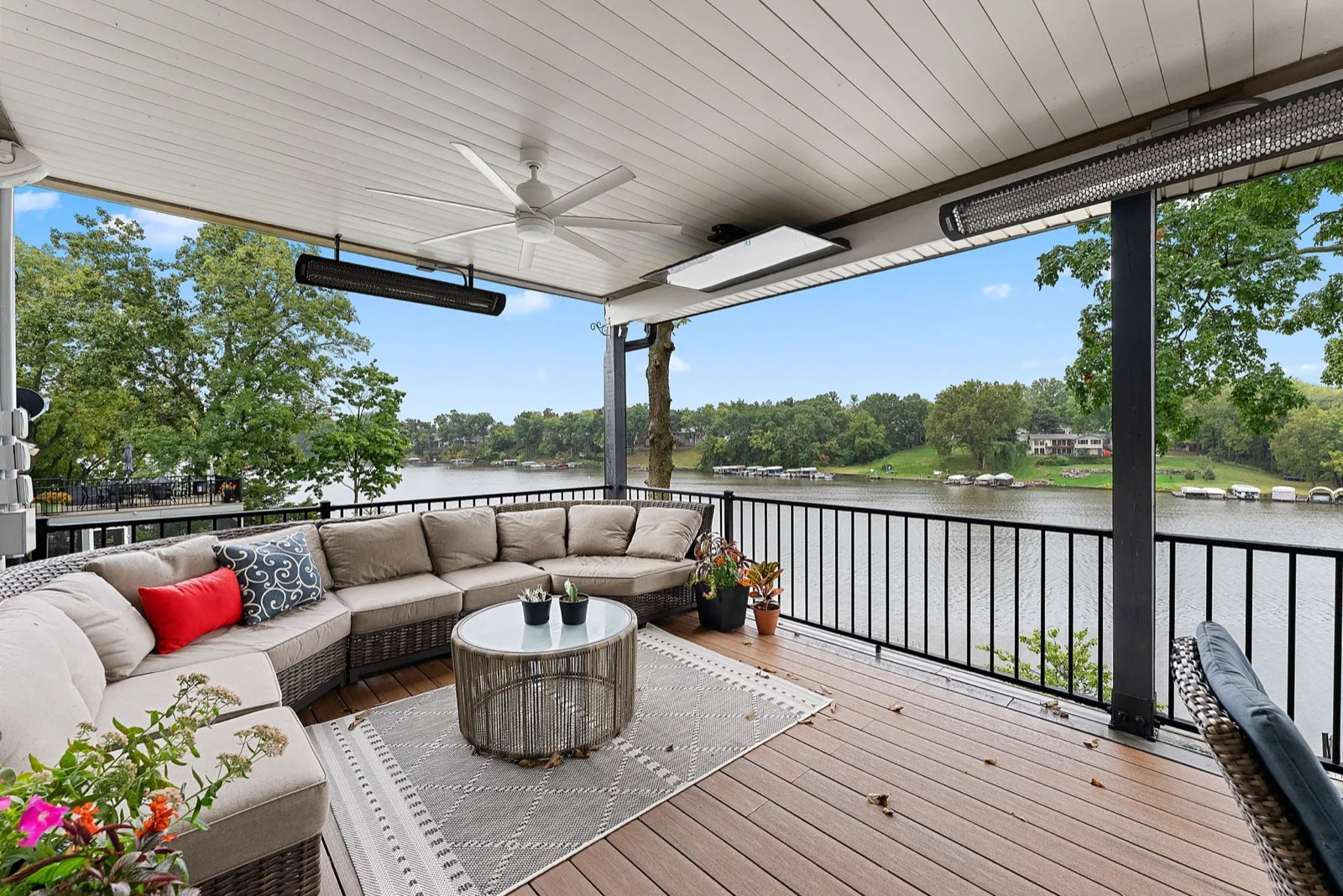
The lake view, Lake Saint Louis
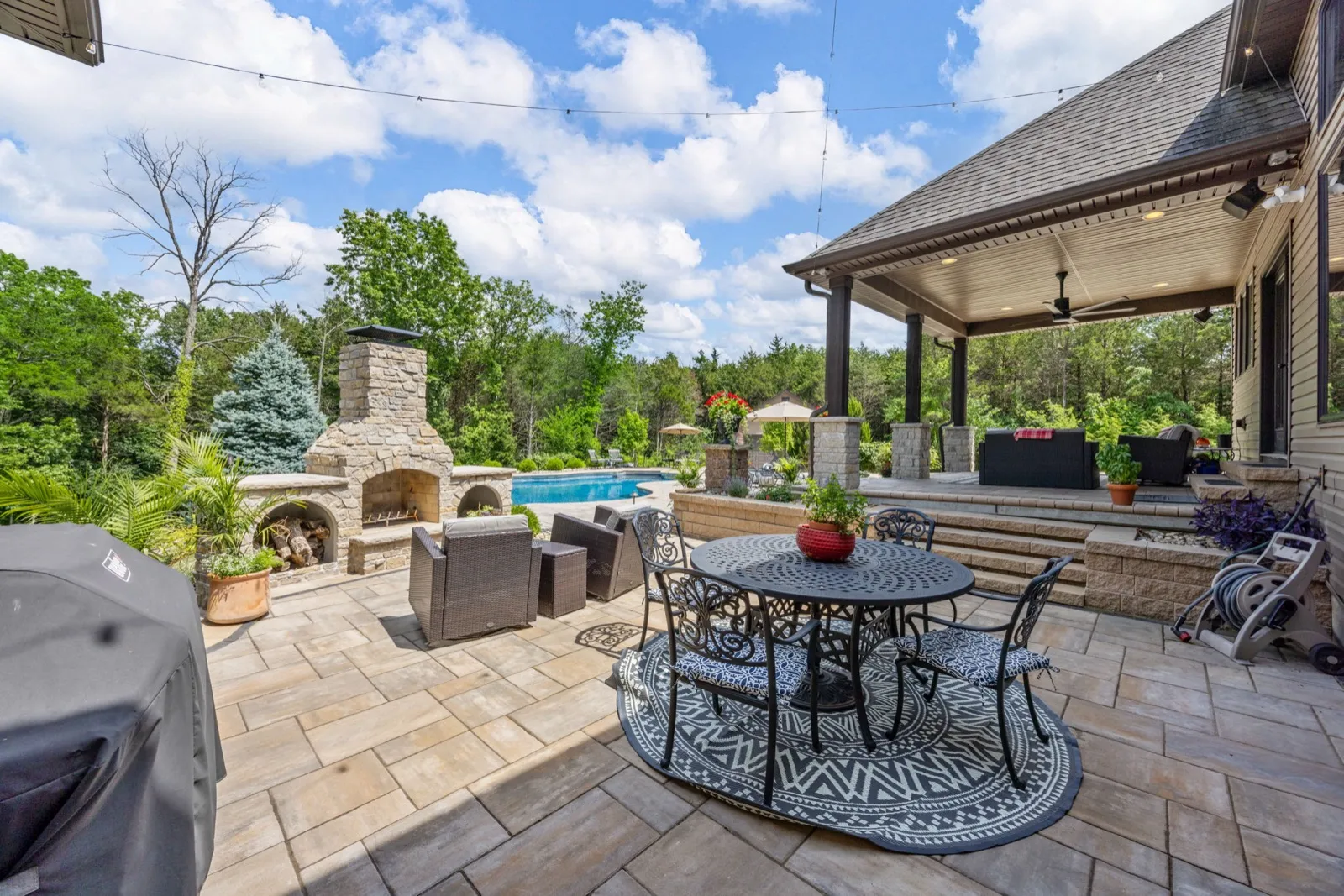
A patio set for outdoor living, Foristell
Small Projects With a Big Payoff
If you’ve started a project, finish it. And if a small project can bring a big return, we’ll recommend it. It’s almost never a whole-house update.
Example: A Nearly Finished Basement
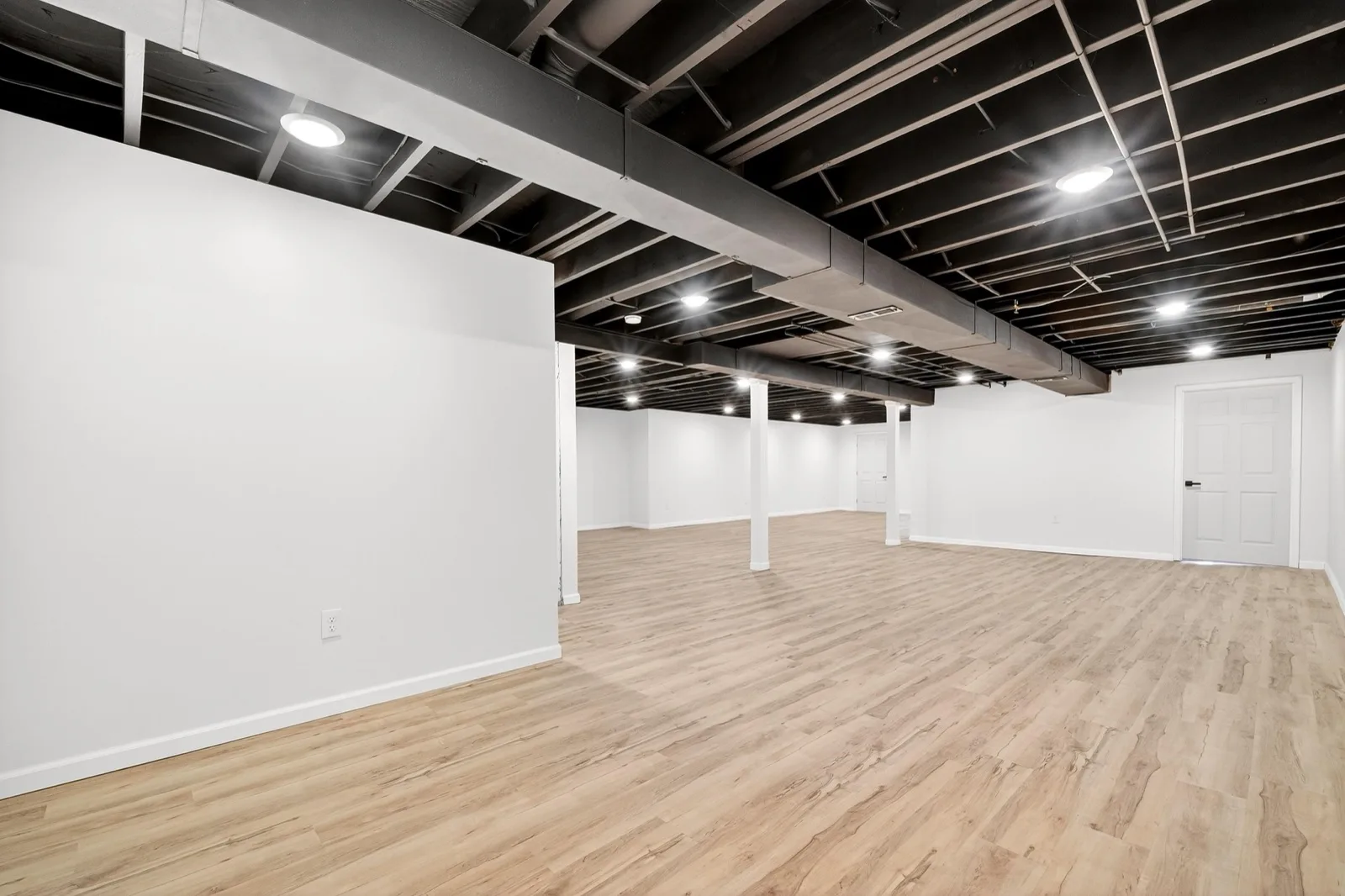
Our MLS counts a basement as finished only when all 3 surfaces have a covering: the floor, the walls, and the ceiling. So a basement project that stopped short of one of them can’t be counted yet.
If yours is most of the way there, the last step can be worth it. Sometimes that’s carpet over concrete. For the ceiling, drywall works, a drop ceiling works, and so does the industrial look where the exposed ceiling is sprayed black, usually the least expensive option.
That’s a real listing appointment. The house had about 2,000 finished square feet above grade and about 1,000 more finished in the basement, with everything done but the ceiling, so we couldn’t count the basement. Spraying the ceiling black cost about $1,500, and the total living area went from about 2,000 to about 3,000 square feet.
Make the Bedroom Count
A room counts as a bedroom in our MLS when it meets these guidelines. Check yours:
Does the room count as a bedroom?
That rule can make a small project worth a lot. On one listing, a ranch had 2 bedrooms on the main level plus an office, and the price we were comfortable with really called for a third bedroom. Building a closet in the office made it one.
Known Problems: Fix It, Disclose It, or Sell As-Is
A known problem gets disclosed, then fixed up front, negotiated later, or reflected in an as-is price. If you know something is wrong with the house, or something has been repaired, it goes on the seller’s disclosure statement. Buyers should hear everything you know, the good and the bad.
Fix it up front
Best for anything actively broken, or anything that will clearly come up.
Negotiate it later
A credit or a price adjustment during the inspection period.
Sell as-is
Disclose it, price the home for it, and let the buyer take it on.
The biggest-ticket items are foundation, sewer, HVAC, roof, and electrical. If one of those needs work you simply can’t afford, the sale reflects it.
Maybe we disclose that the house needs $20,000 of foundation work and you’re not going to do it, or maybe we price the home lower. Either way, we’ll work through it with you.
Some repairs affect the buyer’s loan as well as the price. FHA and VA appraisals have stricter condition requirements, so a failing roof or an unsound deck can hold up financing until it’s fixed.
Common Issues in Older St. Louis Homes
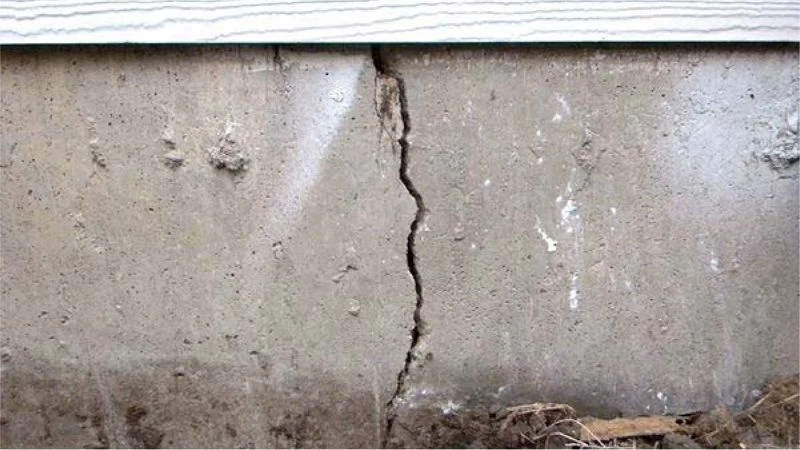
Damp basements. Plenty of older homes around St. Louis have had water issues in their basement at some point. It’s so common that there are a lot of local waterproofing and foundation companies, and a repair with a transferable lifetime warranty can reassure a buyer.
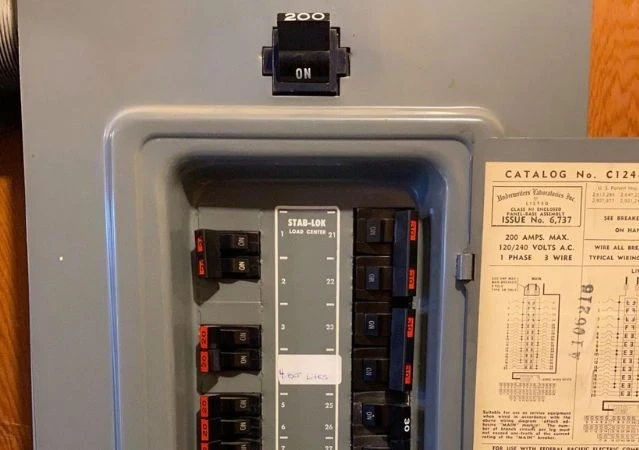
Was your home built between the 1950s and 1980s? Check the label on your electrical panel for these brands:
- Zinsco
- Sylvania GTE
- Federal Pacific
See one of them? Have an electrician look at it before you list. The worry is the breakers: under some overloads, a Federal Pacific breaker may fail to trip (CPSC, 1983), so the power doesn’t shut off and the wiring can overheat.
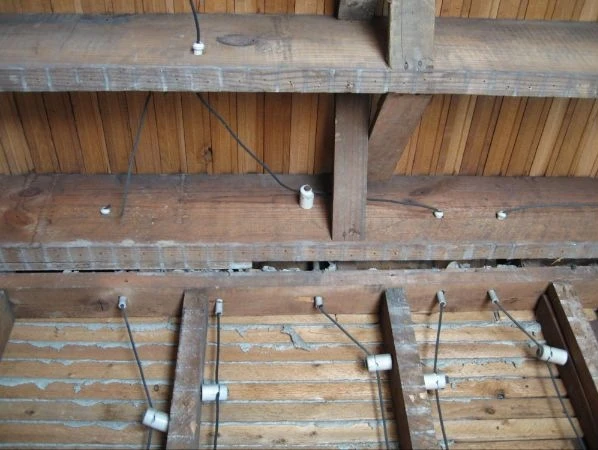
Some older St. Louis homes still have remnants of knob-and-tube wiring, used from about 1880 to 1930. Remnants are fine. Anything still carrying current needs an electrician.
What Buyers’ Inspections Usually Turn Up
A buyer’s inspection looks at everything. What surprises sellers most are the problems they couldn’t see: the roof, the sewer lateral, small gas leaks, radon, and similar hidden issues.
Every house has something. Even brand-new construction.
We prepare our sellers for that from day one. These are the ones that tend to be the biggest shock, because nothing in the house gave them away:
- The roof. You can’t get up there, and a problem often shows up only once there’s a leak.
- The sewer lateral. Nobody can see the line under your yard, not even an inspector, unless a camera goes down it.
- Small gas leaks. A little leak at the furnace is something people rarely know about.
- Radon, and similar issues. Radon is the big one; more below.
Radon Is the Biggest Shock
Radon is the inspection result that surprises sellers most. You can’t see or smell it, and you only know you have it if you test. Levels can change over time, so an old test isn’t a guarantee. According to EPA estimates, radon is the number one cause of lung cancer among non-smokers.
4 pCi/L
The level at which the EPA recommends fixing a home. It says to consider fixing between 2 and 4 picocuries per liter (EPA). The fix is usually a radon mitigation system.
When a buyer’s radon test comes back high in a house without a mitigation system, sellers are usually shocked because there were no warning signs and they had no idea. Then they worry about the exposure they’ve had without knowing. It’s a fixable problem, and we help you get it handled.
After the Inspection
The buyer asks for repairs. So now what? You have options, and each one is negotiable:
- Make the repair
- Offer a credit
- Adjust the price
- Offer a home warranty
We can mix them, too: fix the items that matter most to the buyer and offer a credit for the rest.
Almost everything in real estate is negotiable. We’re thinking about inspections the day we walk into your house for the listing appointment, not waiting until you’re under contract.
Do You Need an Occupancy Inspection in St. Louis to Sell?
Some St. Louis-area cities require their own occupancy inspection before a sold home can be occupied, and others don’t. Most of the St. Louis County cities we checked require one, while St. Charles County is a mix. It’s set by the city, or by the county in unincorporated areas, so 2 houses a mile apart can have different rules.
City of St. Louis1 area
| Where | Inspection on a sale? | Official source |
|---|---|---|
| City of St. Louis | Yes | A Certificate of Inspection is needed before a sold home can be occupied, unless one was issued in the last 12 months. (City of St. Louis) |
St. Louis County27 areas
Many cities have the county inspect first-time-buyer purchases, even where the city itself requires nothing (St. Louis County municipality contracts list, revised August 3, 2026). Confirm with the county before you assume no inspection.
| Where | Inspection on a sale? | Official source |
|---|---|---|
| Unincorporated St. Louis County | Yes | Required when the occupant changes, and in cities that contract with the county. (St. Louis County) |
| Ballwin | Yes | Homes are inspected and certified before a new resident moves in. (City of Ballwin) |
| Brentwood | Yes | An occupancy permit is required for an ownership or tenant change. (City of Brentwood) |
| Bridgeton | Yes | An exterior inspection certificate is needed before a buyer can occupy the home. (City of Bridgeton) |
| Chesterfield | No | Existing homes do not need a re-occupancy permit when sold. (City of Chesterfield) |
| Clayton | Not stated | The city’s page covers rental properties only. (City of Clayton) |
| Creve Coeur | No | No residential occupancy inspection for the sale of a home. (City of Creve Coeur) |
| Crestwood | No | No inspection or permit on an owner-occupied sale. (City of Crestwood) |
| Des Peres | No | No municipal or fire inspection for the sale of a home. (City of Des Peres) |
| Ellisville | Yes | The home must be inspected before the new owner takes possession. (City of Ellisville) |
| Eureka | No | Only new construction needs an occupancy permit. (City of Eureka) |
| Fenton | No | Only new homes need an occupancy permit. (City of Fenton) |
| Ferguson | Yes | Required at every change of owner or occupant, exterior only when the buyer will live there. (City of Ferguson) |
| Florissant | Yes | Required before anyone moves in. A home can sell as-is with the buyer taking on the inspection. (City of Florissant) |
| Hazelwood | Yes | Every home that changes occupancy is inspected. (City of Hazelwood) |
| Kirkwood | Yes | Sellers need an occupancy permit and inspection. (City of Kirkwood) |
| Ladue | Not stated | The city’s permit pages don’t address resale. (City of Ladue) |
| Manchester | Yes | Required with any change of ownership or occupant. (City of Manchester) |
| Maplewood | Yes | Owner-occupied homes are inspected when ownership changes. (City of Maplewood) |
| Maryland Heights | Yes | Not required before the sale, but required before a new owner moves in. (City of Maryland Heights) |
| Richmond Heights | Yes | A code compliance inspection is required at every change of occupancy. (City of Richmond Heights) |
| Shrewsbury | Not stated | The city lists an inspection application for selling, but the rule itself couldn’t be confirmed. (City of Shrewsbury) |
| Sunset Hills | Yes | Required whenever occupancy is established or changed. (City of Sunset Hills) |
| Town and Country | No | Not required for new owners of existing homes. (City of Town and Country) |
| University City | Yes | Anyone selling should arrange an inspection. (University City) |
| Webster Groves | Yes | An occupancy permit is required before moving in. (City of Webster Groves) |
| Wildwood | No | Only required for homes that aren’t owner-occupied. (City of Wildwood) |
St. Charles County9 areas
| Where | Inspection on a sale? | Official source |
|---|---|---|
| Cottleville | Yes | A free inspection. Buyers and sellers call the city to schedule it. (City of Cottleville) |
| Dardenne Prairie | Yes | An occupancy application is required for the sale, rental, or lease of a property. (City of Dardenne Prairie) |
| Lake Saint Louis | Fire district | No city inspection, but the Lake Saint Louis Fire District requires a fire code inspection when ownership or occupancy changes. (Lake Saint Louis Fire District) |
| City of St. Charles | Disclosure | No sale inspection, but sellers must complete the city’s residential real estate disclosure on every sale. (City of St. Charles) |
| St. Peters | No | Not for an owner-occupied home. Rentals are different. (City of St. Peters) |
| Wentzville | No | Only a rental needs one, before a tenant moves in. (City of Wentzville) |
| Weldon Spring | Not stated | The city adopts the county building code and doesn’t address resale. (City of Weldon Spring) |
| Unincorporated St. Charles County | No | Only to re-occupy a home previously deemed uninhabitable. (St. Charles County) |
| O’Fallon | Not stated | The city’s site and municipal code cover rental permits, not owner-occupied sales. We confirm the current rule with the city when we list. (City of O’Fallon) |
Source: each city’s or county’s own official website, checked November 10, 2026, for the sale of an owner-occupied home.
Cities set their own rules, and fire districts can too, so check yours even if it isn’t listed. If your city requires an inspection, order it early so it doesn’t hold up closing.
Thinking about selling in the next year or 2?
Let's Walk Through Your Plan.
Price It Right the First Time
Pricing high is not how you get the most money. Pricing right is.
You get one first week on the market, and that’s where all the buzz and momentum is. Overprice it, and the house sits. Days on market add up, lowball offers follow, and price drops don’t show a strong image to buyers.
- We don’t underprice to start a bidding war. We’re not trying to play games or gamble with your equity. In a hot market, buyer demand can still push the price above market value.
- We usually launch toward the end of the week, ahead of weekend showings and open houses. That’s when buyers are most active.
- In a hot spring market, if a home isn’t under contract after 2 full weekends, that’s when we’d talk about a price adjustment.
- In a slower market, we watch how fast homes in your neighborhood are actually selling. Our goal is to beat the neighborhood’s average days on market.
How We Market Your Home
Gateway Realty Group markets your home in 6 steps, from picture day to the open house. Sellers tell us they pick us for the whole package: full-time, experienced agents, plus 2 full-time marketing people for 5 agents, on top of everything our brokerage provides.
We treat every listing like a luxury listing, no matter the price point.
- 1
Picture day
A luxury real estate photographer, plus video for most listings. We get there early to help with the final touches, and every photo is professionally edited, because these are the photos buyers see the whole time you’re listed.
- 2
Coming soon
Your home goes online as coming soon and the sign goes up, ideally with exterior photos only. There are no showings yet. It builds early buzz and lets buyers plan ahead.
- 3
Active on Thursday: showings start
We usually go live on a Thursday to catch weekend buyers. The interior photos and video go out so buyers can see inside and the listing gets its buzz, and showings begin.
- 4
Full-package digital marketing
The MLS, Zillow, and Realtor.com, social posts and targeted ads across platforms, short-form video, and for select homes a full tour on our Living St. Louis YouTube channel. Email campaigns reach the local agents in your county, typically 800 to 1,000 of them.
- 5
Print campaign
A custom property brochure, a marketing booklet with your disclosure and feature sheets, open house flyers, and just listed and just sold postcards to our database in your ZIP code.
- 6
Open house
An open house creates local buzz and gives us real feedback from buyers, which we can use on pricing or presentation.
The Photo Order Matters
Buyers decide in the first few photos, so we put your home’s best features there. A lot of listings run in walking order instead, front door to back yard, and the pool doesn’t show up until the end.
Typical order
 Front
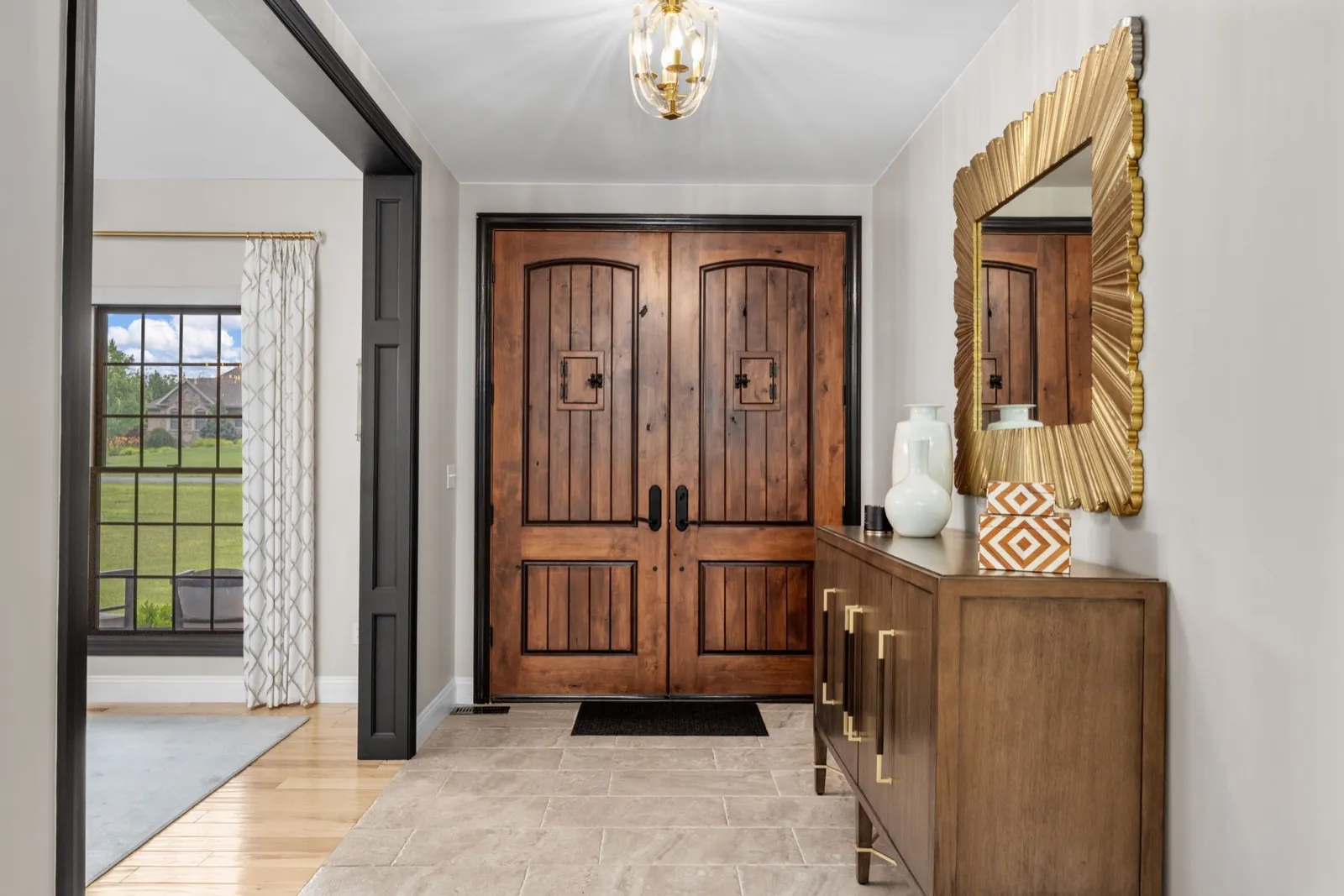 Foyer
 Dining
 Bedroom
 Lower level
- Pool, photo 50+
Our order
- Front
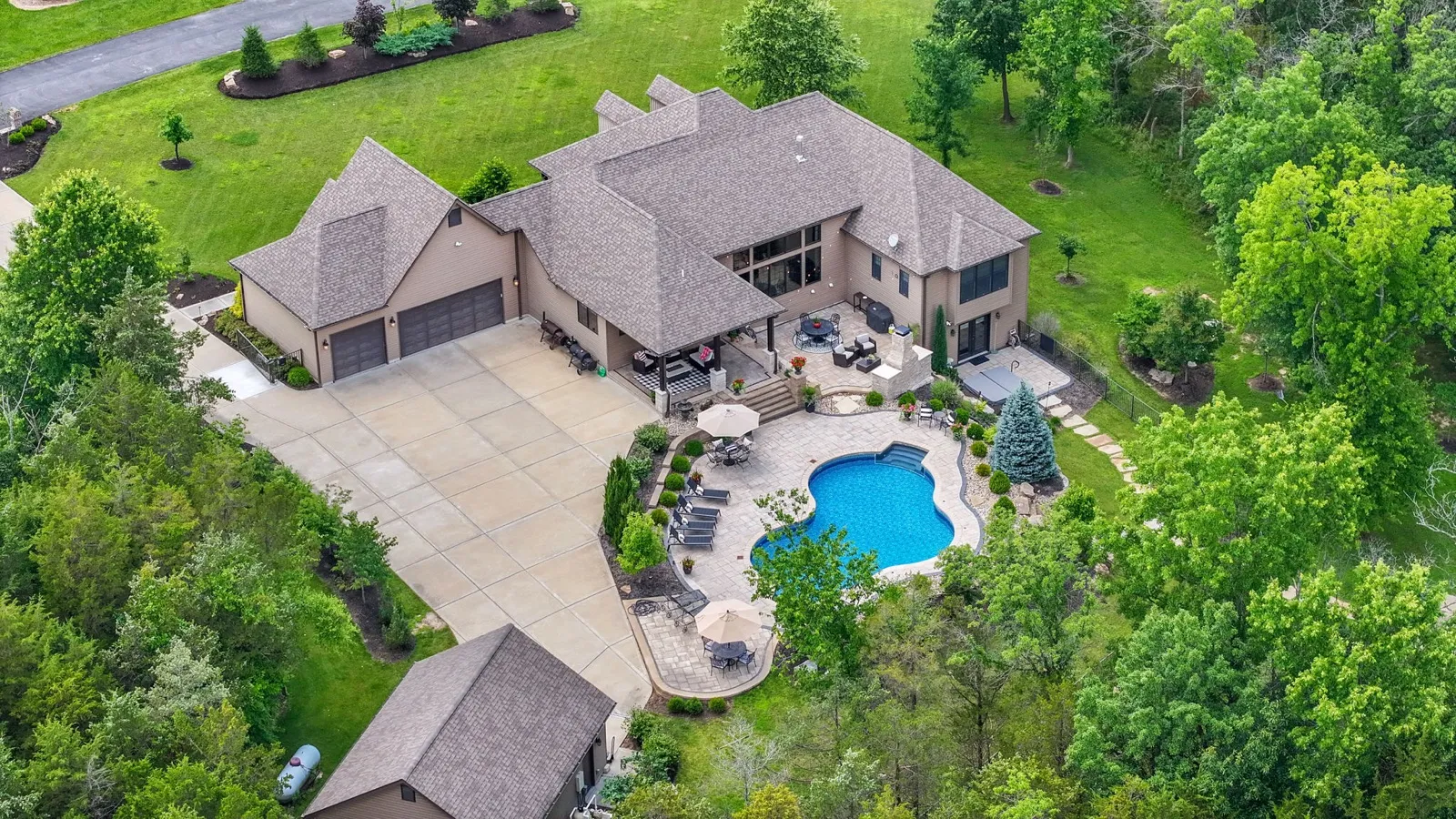 Drone
- Pool
 Kitchen
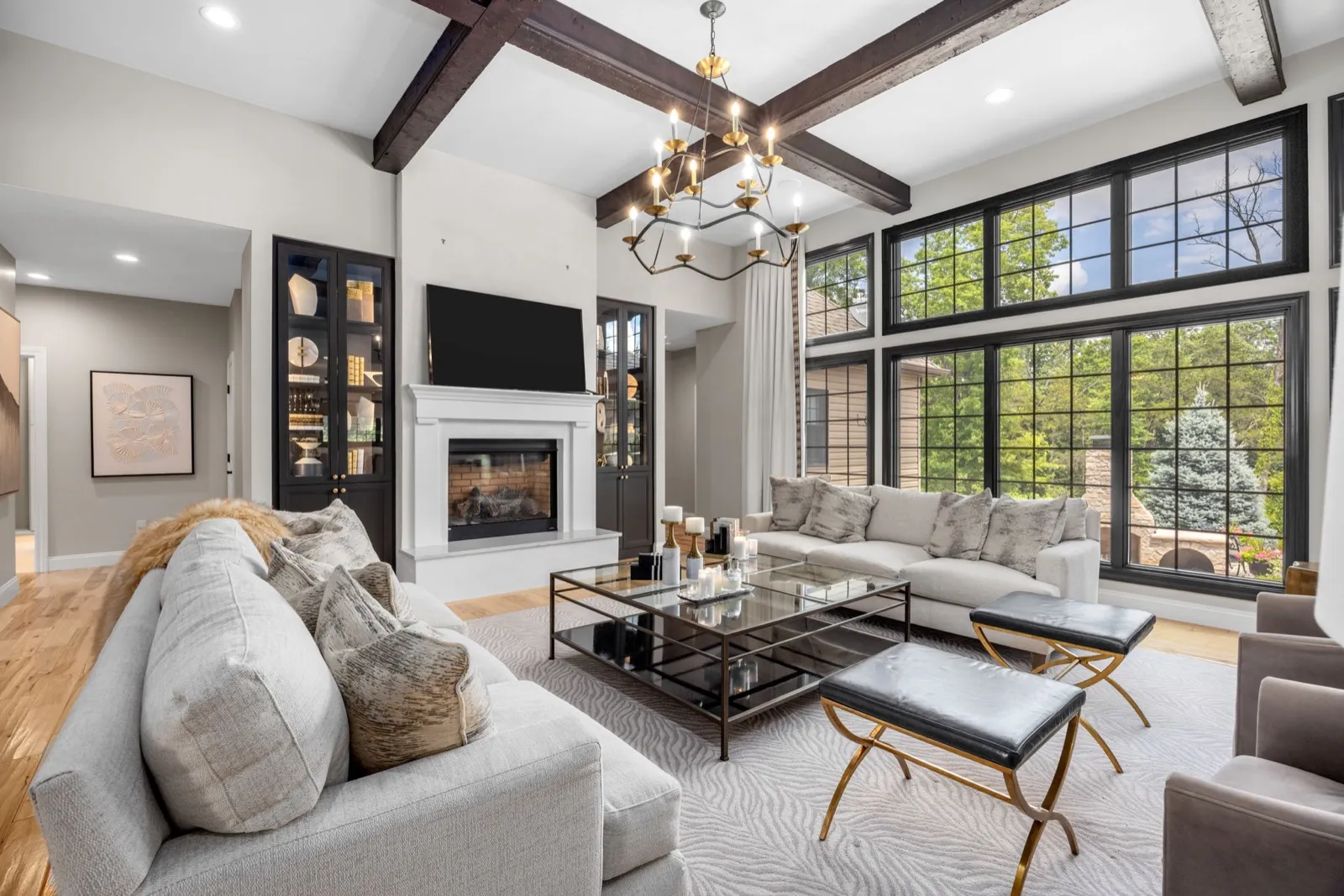 Living
- Primary bedroom
Best features first
Photos from a Gateway Realty Group listing in Foristell.
Acreage, an outbuilding, or a workshop? We’ll often show it from above with a drone near the start. See the full process on how we market your home.
Selling Off-Market for More Privacy
Selling off-market means fewer people walking through your home, in exchange for fewer buyers seeing it. Listing on-market means showings, open houses, and a lot of strangers in your house. For some sellers, that’s the most stressful part, and some simply don’t want their neighbors coming through.
Each year, 10 to 20% of our listings sell off-market.
When a seller chooses to sell off-market, we market the home privately.
On-market
- The most buyers see it
- More competition can push the price up
- Showings and open houses
Off-market
- Far fewer people in your home
- More privacy, fewer neighbors walking through
- Fewer buyers see it
It’s a trade, not a shortcut. We talk through whether privacy is worth more to you than the extra competition, and either way the home is priced at market value. For higher-end homes, our luxury seller page covers quiet sales in more depth.
When to Start: Timing Matters
It’s never too early to reach out to an agent, even if selling is 1 to 2 years away. How much time you have changes what we’d recommend.
11 to 2 years out
- Room for bigger projects
- Time to enjoy them before you sell
- Plan updates around your neighborhood
26 to 12 months out
- Plan a few targeted projects
- Line up contractors and painters
- Pick your listing season
31 to 2 months out
- Moving for a job? Stick to small projects
- Clean, paint, and carpet
- Book picture day
One more piece of advice. If you have a project in mind and the time and money for it, do it now. Otherwise it’s easy to finish that project right before you list and never get to enjoy it yourself.
Need someone to do the work? We share a vetted list of contractors, painters, and other vendors with our clients.
Rather not fix anything at all? That’s a real option too, and our page on selling a house fast in St. Louis compares a cash offer with listing.
Your Market-Ready Checklist
This market-ready checklist covers the small details that help a house photograph and show well. Most are a weekend’s work. Tick them off as you go.
Common Questions About Getting a House Ready to Sell
These are the questions sellers ask us most once the house is nearly ready. Tap any question to open it.
Does a house have to pass inspection to be sold in Missouri?
No, a house doesn’t have to pass. A buyer’s home inspection isn’t pass or fail; it tells the buyer about anything that’s broken. Two things can still force repairs: a city occupancy inspection where your city requires one, and an FHA or VA loan, whose appraisal has condition requirements the lender won’t close without.
Can I sell a house with repairs that I don’t want to make?
Yes, you can sell it as-is, with the problems disclosed and the price set for them. Buyers paying cash or using a conventional loan are usually the best fit, since FHA and VA loans are stricter about condition.
Do I have to fix everything on the buyer’s inspection report?
No, you don’t. The buyer can ask for repairs, and you can agree, offer a credit, adjust the price, or say no to an item. We go through the request with you item by item, starting with anything that affects safety or the buyer’s financing.
Is it better to sell to an investor or list my house?
In our experience, listing usually nets more, and an investor offers speed and certainty. Investors have to make a profit on the resale, so their offers come in below market value. If you need to sell within days or can’t take on the repairs, a cash offer can still be the right call.
Do I need to stage my house to sell it?
Usually not, because decluttering, cleaning, and professional photos matter more than rented furniture. When a home is vacant, we can use virtual staging to show how a room works, and we label every staged photo clearly on the listing.
Do I have to disclose problems I already fixed?
Yes, disclose repairs you know about on the seller’s disclosure, along with any known problems. Paperwork helps here: a waterproofing warranty or a roofer’s invoice usually reassures a buyer more than it worries them.
When is the best time of year to list?
It depends on the house. A home with a pool or a private, wooded lot shows best from spring through fall, and spring is usually the busiest season. Whatever the month, we launch toward the end of the week, ahead of weekend showings.
Getting Ready to Sell?
Getting your house ready can feel stressful, especially the first time. It’s usually less work than you think.
We’d love to come see your house and make a plan that fits your home, your neighborhood, and your timeline. That might mean a few small projects, an as-is sale, or a quiet off-market sale. And we’re not here to pressure you into listing next week.
Selling in Your Area
Pick your city for a local selling plan, or start with our St. Louis seller services.





We Are on It.
Someone from our team will reach out within one business day.
Article Updates
- Added Madison and Jacob’s video on what to fix and what to leave alone before selling.
- Rewritten by Madison Hayes as a full guide to getting your home market-ready: what to fix and what to skip, curb appeal, finishing projects, inspections and radon, city occupancy rules, pricing, our 6-step marketing process, and off-market sales.
- First published as a list of repairs to consider before selling.